How 6-8 year olds choose colors for detailed coloring pages
Simple color-planning ideas help children aged 6-8 approach detailed coloring pages with confidence, creativity, and less pressure.
Table of contents
- How can 6-8 year olds choose colors for detailed coloring pages?
- Start with a simple color plan
- How can color choices make a picture feel balanced?
- Use details as clues
- Make color decisions without pressure
- Choose pages that fit your child
- Frequently asked questions
- A colorful next step
Choosing colors for detailed coloring pages can feel like a big decision for 6-8 year olds, especially when a picture has lots of tiny spaces. If you are a parent or educator, a simple color plan can help a child get started while leaving plenty of room for their own imagination.
At this age, children often enjoy choosing colors independently, talking through their ideas, or getting a small suggestion when they feel stuck. There is no single right palette. Use these strategies to help your child make creative color choices, color comfortably, and feel proud of their work.
How can 6-8 year olds choose colors for detailed coloring pages?
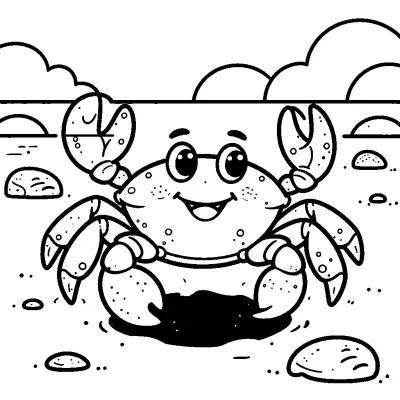
Start by letting your child pick one favorite color, then add two or three colors that go well with it. For example, if they choose blue for a sea creature, they might add green for seaweed, yellow for sand, and purple or pink for small details. A small, focused palette makes a busy page easier to approach.
Before coloring, look over the picture together and point out its largest parts. They can choose colors for those areas first, then decide on smaller details as they go. If they want inspiration, browse coloring page categories together and let them select a subject that interests them.
Try the favorite-color-plus-three method
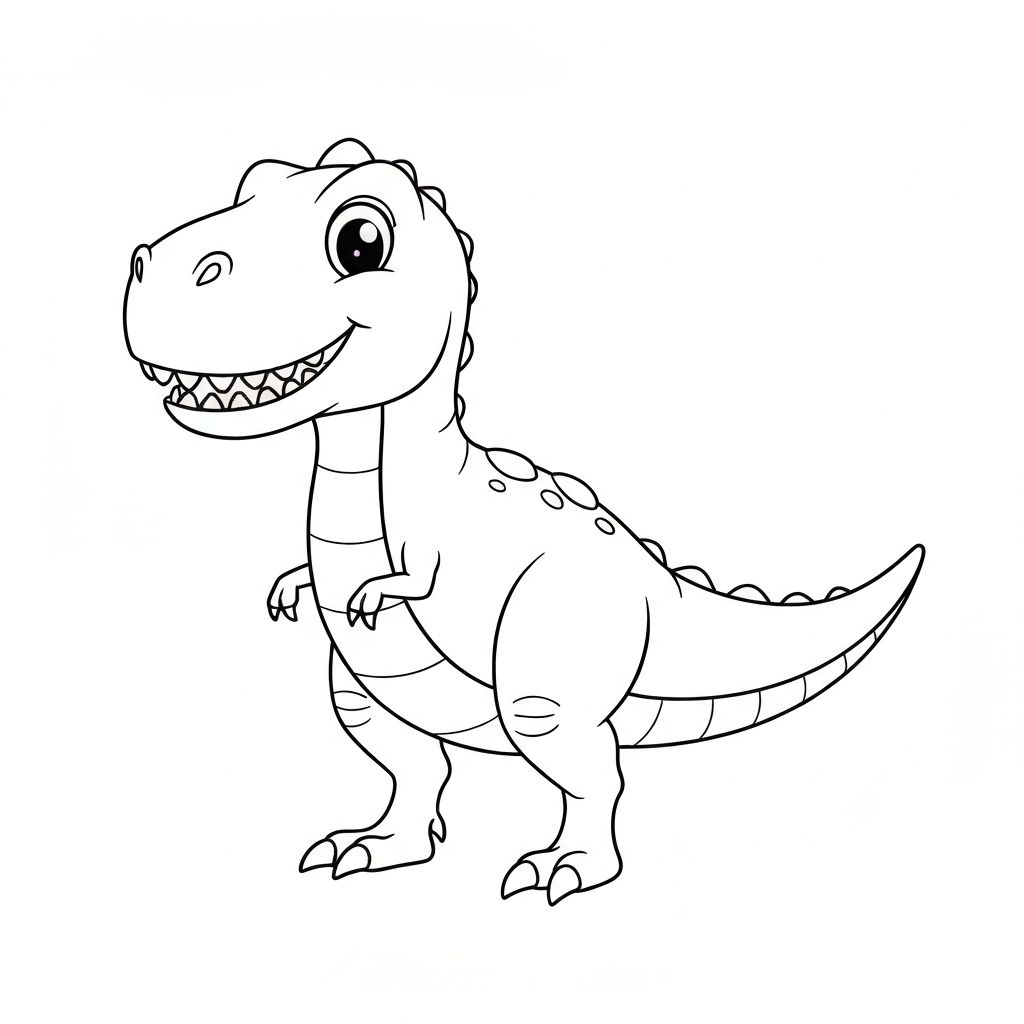
Ask your child to choose one favorite color and up to three supporting colors. They can use the favorite color for the main subject, then repeat the other colors in smaller areas. For instance, on a dinosaur page, green could cover the dinosaur, while orange, blue, and yellow appear on rocks, plants, and background details.
Discover Our Coloring Pages

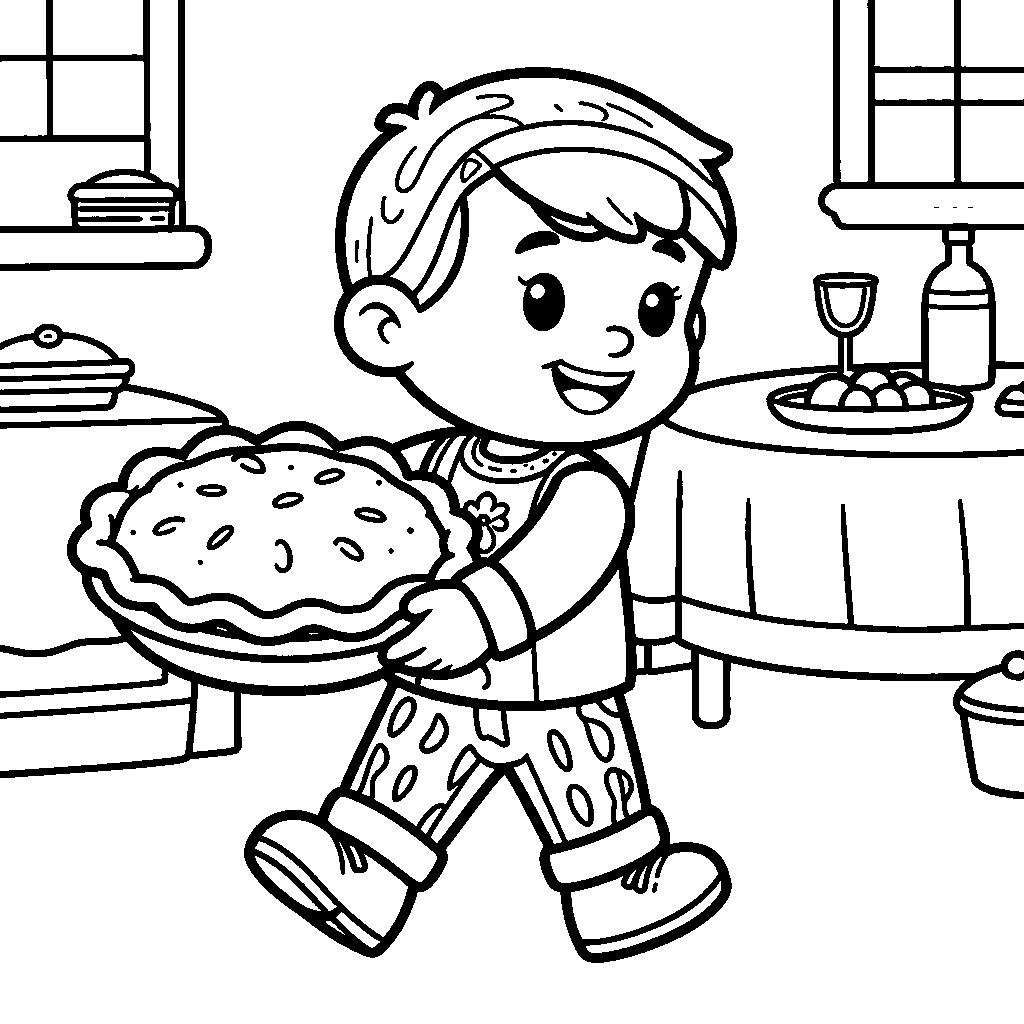
Start with a simple color plan
A quick plan can make intricate coloring sheets feel more manageable. Help your child decide which parts should stand out and whether they want a realistic or imaginative look. This does not need to be a formal sketch; simply pointing and naming colors is enough.
For a page such as Tyrannosaurus Roaring on a Hill, your child might choose a bold color for the dinosaur, a quieter shade for the hill, and a contrasting color for the sky. Encourage them to color a few larger shapes before tackling little spots or teeth to give the picture a clear starting point.
Make a tiny color key
For a page with repeated details, draw a small color key on scrap paper:
- Leaves - green
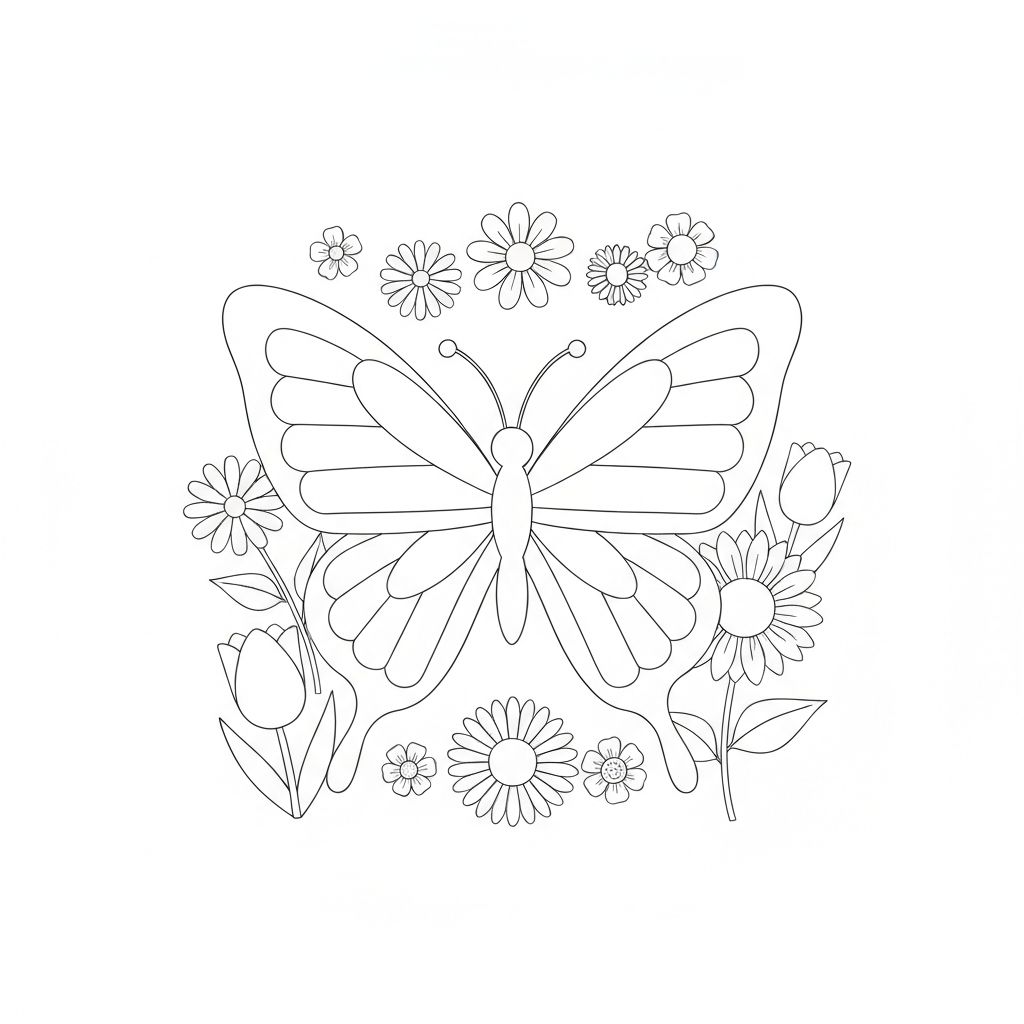
- Flowers - pink
- Windows - yellow
Children can change their minds at any time, but a key helps them remember a plan as they work. Keep it short so planning does not become a chore.
How can color choices make a picture feel balanced?
Balance comes from spreading colors around the picture rather than putting every bright color in one spot. If your child uses red on one small detail, they could repeat red in another area, such as a hat or flower. Repeated colors help separate parts of a busy design while making the page feel connected.
Show how light and dark shades can work together. A light blue sky behind a darker blue object helps the object stand out. Children can also pair a bright color with a neutral one, such as a colorful ball against a gray path. These are options, not rules; unusual combinations are part of the fun.
Use contrast to highlight a favorite detail
Ask, “What do you want me to notice first?” If the answer is a character’s scarf, use a bright shade there and calmer colors nearby. On a page like Kangaroo Juggling Colorful Balls, the child might make the balls bright and keep the kangaroo’s background simple so the juggling action is easy to see.
Use details as clues
Small picture features can help children decide what to color next. Look for repeated shapes or objects that naturally suggest a color family. A line of windows might share one color, while a group of shells could use several related blues and greens. This gives a child a clear choice without the pressure of planning every inch.
For a pouring drink, your child could use yellow for lemons, a light shade for the glass, and a favorite color for the table. The Lemonade Pitcher Pouring Into a Glass page offers several separate objects, making it easy to assign one color idea to each part.
Look for patterns and groups
Suggest coloring similar things in the same shade, then adding one or two changes for variety. A row of stars might be mostly yellow with a few orange ones. If a child prefers a fantasy palette, let purple leaves or blue lemons be part of their story.
Make color decisions without pressure
Children sometimes pause because they worry about making a mistake. Remind them that coloring pages are a place to experiment, and colors do not have to match real life. A scooter can be purple, a squirrel can have a blue scarf, and a sky can be green if that is what the child imagines.
Offer choices rather than taking over: “Would you like to make the wheels black or dark blue?” For a page such as Squirrel Balancing An Acorn On Its Head, you could ask your child to choose one color for the squirrel and a contrasting shade for the acorn.
Keep tools and page space comfortable
For detailed coloring designs, put out a manageable selection of crayons, colored pencils, or markers instead of every art supply at once. A few familiar colors are easier to choose from, and colored pencils are often better for small spaces. Encourage breaks when a page feels long, and let your child decide whether to finish in one sitting or return later.
Choose pages that fit your child
A detailed page should be interesting, not frustrating. Let your child choose a subject they already enjoy, and look for a design with a mix of larger areas and smaller details. Some children like coloring tiny patterns; others prefer pictures where there is more room for broad strokes.
Offer a few themes and let your child make the final choice. They might choose a moving Scooter Zipping Through a Breeze, then decide whether to color it realistically or invent a bright new design. You can also find more ideas through KidColoro's free coloring pages and select a page together based on the time and tools available.
Let the child set the pace
Instead of aiming for a finished page, set a small, flexible goal: color the main object, choose a background shade, or work on one section. Praise specific choices, such as “I like how you repeated the orange on both sides,” rather than judging whether the picture is neat or realistic.
Frequently asked questions
How many colors should a 6-8 year old use on a coloring page?
There is no required number. Starting with three or four colors can make a detailed picture easier to plan, but a child can add more whenever they like. The best palette is one that helps them enjoy the process.
Should children use realistic colors when coloring?
Realistic colors can be a helpful starting point, but they are not necessary. A child may use familiar colors to depict an object, or invent a completely different palette. Following their own creative ideas is a great way to color.
What can I do if my child cannot decide which colors to pick?
Offer two simple choices for one part of the picture, such as green or blue for a background detail. You can also suggest choosing a favorite color first and building a small palette around it. If they still feel unsure, invite them to color one small area and decide what comes next afterward.
Are detailed coloring pages suitable for every child aged 6-8?
Children have different interests, so the right amount of detail varies. Let your child choose a page that looks appealing, and offer one with larger open spaces if tiny sections feel tiring. They can always try a more detailed design another time.
A colorful next step
Helping 6-8 year olds choose colors for complex coloring pages is mostly about offering a simple starting point, asking helpful questions, and letting children lead. Try a small palette, repeat a few colors across the page, and remind your child that imaginative choices are always welcome.
When your child is ready for another picture, visit KidColoro to find free coloring pages and choose a design that fits their interests. Let them pick the subject and colors, then enjoy seeing where their ideas take the page.