Best coloring tools for kids by age and cleanup
Compare coloring tools for toddlers, preschoolers, and school-age kids by grip, age suitability, and cleanup needs.
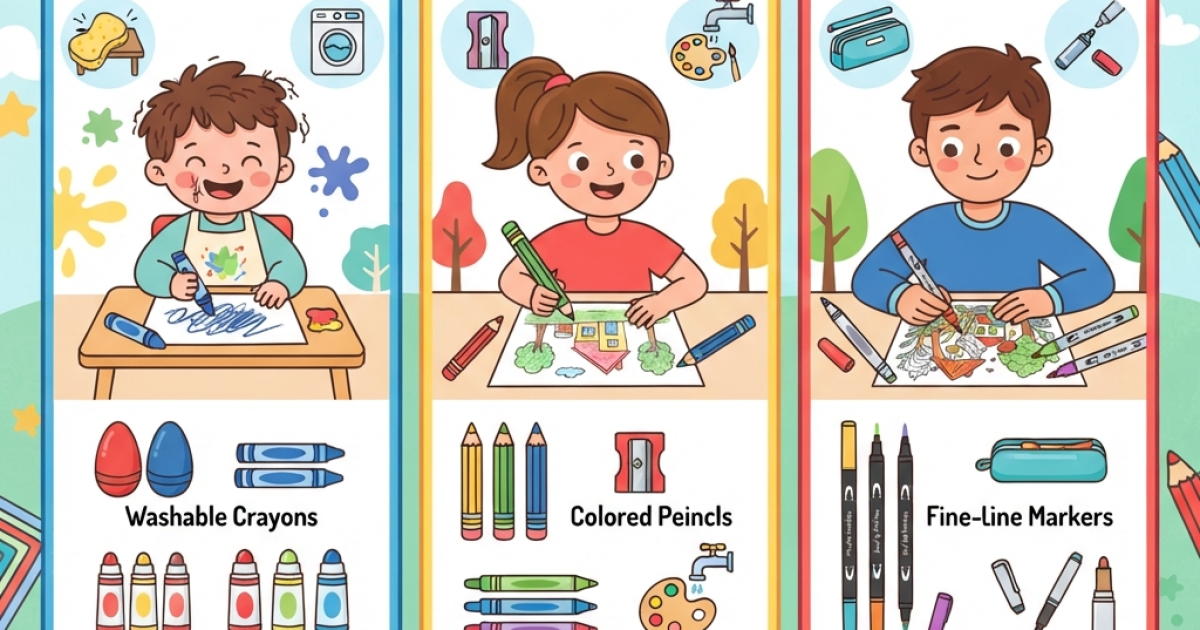
Table of contents
- Best coloring tools by age and cleanup
- Which coloring tools work best for toddlers?
- How do you choose preschool coloring tools that build control?
- Best coloring tools for school-age kids
- How do you choose low-mess coloring supplies?
- Set up a coloring station for easier cleanup
- Match the tool to the coloring page
Finding the best coloring tools for kids depends on matching the right supplies to your child’s age and your household’s cleanup tolerance. A chunky crayon often suits a toddler’s developing grasp, while a school-age artist may prefer colored pencils for adding careful details to their work.
Grip, age, and mess all matter when selecting art supplies. Use this guide to choose coloring materials that fit your child’s hand, then offer a fun page from KidColoro’s free coloring pages for a ready-to-go activity.
Best coloring tools by age and cleanup
For a simple starting point, choose washable, easy-to-hold tools for younger children and offer finer options as their hand control develops. Always check the product’s age guidance, supervise young children, and avoid small pieces that could pose a choking risk.
Toddlers: jumbo crayons and washable paint sticks
Large crayons are easier for small hands to grasp and less likely to snap under pressure. Paint sticks offer a broad, smooth stroke with less spill risk than liquid paint.
Preschoolers: triangular crayons and washable markers
Preschoolers often enjoy tools that support a more controlled grasp. Triangular crayons can encourage finger placement, while washable markers make bold lines with minimal pressure.
School-age kids: colored pencils, crayons, and fine-tip markers
Older children can usually manage slimmer tools for detailed work. Colored pencils are a reliable low-mess option, while markers provide vivid color for larger projects.
Children develop at different rates. If a tool causes hand fatigue, switch to a thicker option or a larger image. You can browse our coloring page categories to match the design to your child’s current interests.
Discover Our Coloring Pages
Which coloring tools work best for toddlers?
For toddlers, start with large, sturdy, washable crayons or toddler-safe paint sticks labeled for their age. A thick barrel is easier to grip than a standard pencil. Offer one or two colors at a time to keep the activity simple and the supplies easy to track.
Make the first coloring sessions simple
Use a large picture with broad spaces rather than a page full of tiny details. Tape down a corner of the paper if it slides on the table. For example, a big animal picture from Animals can invite playful scribbling while your toddler practices holding and moving a crayon.
Washable products reduce worry, but they are not mess-proof. Protect clothing and surfaces, keep tools away from mouths, and clean marks promptly. Close supervision is important, especially with children who still explore objects by tasting them.
How do you choose preschool coloring tools that build control?
Preschoolers are often ready to try more variety while still benefiting from easy-grip art supplies. Jumbo or triangular crayons, short colored pencils, and washable markers each offer a different feel. Let your child test a few options to see which they can use without squeezing too hard.
Offer choices without overwhelming your child
Set out two tools rather than an entire box. Invite your child to use crayons for large areas and a marker for a few favorite details. A playful page such as Waffle Flying a Tiny Kite gives preschoolers clear shapes and room to experiment with color.
Markers transfer color quickly, which is satisfying for children who tire of pressing down with crayons. Use a washable set with caps that are easy for your child to manage, and keep a damp cloth nearby. If the marker tip is pushed hard into the paper, show your child how a lighter touch still creates a bright line.
Best coloring tools for school-age kids
School-age children can choose tools based on the effect they want. Colored pencils work well for layering and shading; crayons are dependable for larger areas; washable markers create strong outlines. A mixed set lets children switch tools to suit different parts of their artwork.
Choose tools for the project
For a detailed vehicle picture, colored pencils help a child color small windows or wheels carefully. For broad areas, crayons cover space without the risk of marker bleed-through. Try a city scene such as Tram Zooming Through City Park and encourage your child to select a tool for the background and another for details.
Avoid giving younger children sharpened pencils without supervision. If a child is working for a long stretch, offer breaks and a comfortable seated position to help reduce hand tiredness.
How do you choose low-mess coloring supplies?
To minimize cleanup, prioritize washable labels, dry-use tools, and a suitable work surface. Crayons and colored pencils generally avoid liquid spills, while washable markers are convenient but can still mark furniture.
Use this quick cleanup checklist
- Read the label: Check age recommendations and cleaning instructions before buying.
- Protect the work area: Use a washable mat, scrap paper, or an easy-to-clean table.
- Limit supplies: Put out only the colors needed to reduce stray marks and lost caps.
- Prepare a cleanup kit: Keep tissues or a damp cloth nearby for quick access.
Washable supplies are useful for everyday drawing, but test a product on an inconspicuous surface if you are concerned about stains. Follow the manufacturer’s directions rather than using harsh cleaners around children.
Set up a coloring station for easier cleanup
A simple, predictable setup helps children focus and makes tidying part of the activity. Choose a well-lit spot with a stable chair and a surface at a comfortable height. Store tools in a shallow tray or cup so children can see what is available without tipping over a large box.
Build a routine children can follow
Before coloring, show your child where the paper, tools, and cleanup cloth belong. Afterward, invite them to put the caps back on markers, return crayons to the container, and place the finished page in a folder. For younger children, do these steps together; older kids can take more responsibility.
Match the tool to the coloring page
The right page can make a coloring tool feel easier to use. Toddlers often do best with large shapes and open spaces; preschoolers may enjoy simple scenes with a few recognizable details; school-age kids may want patterns and more intricate illustrations.
Try an interest-led page and tool pairing
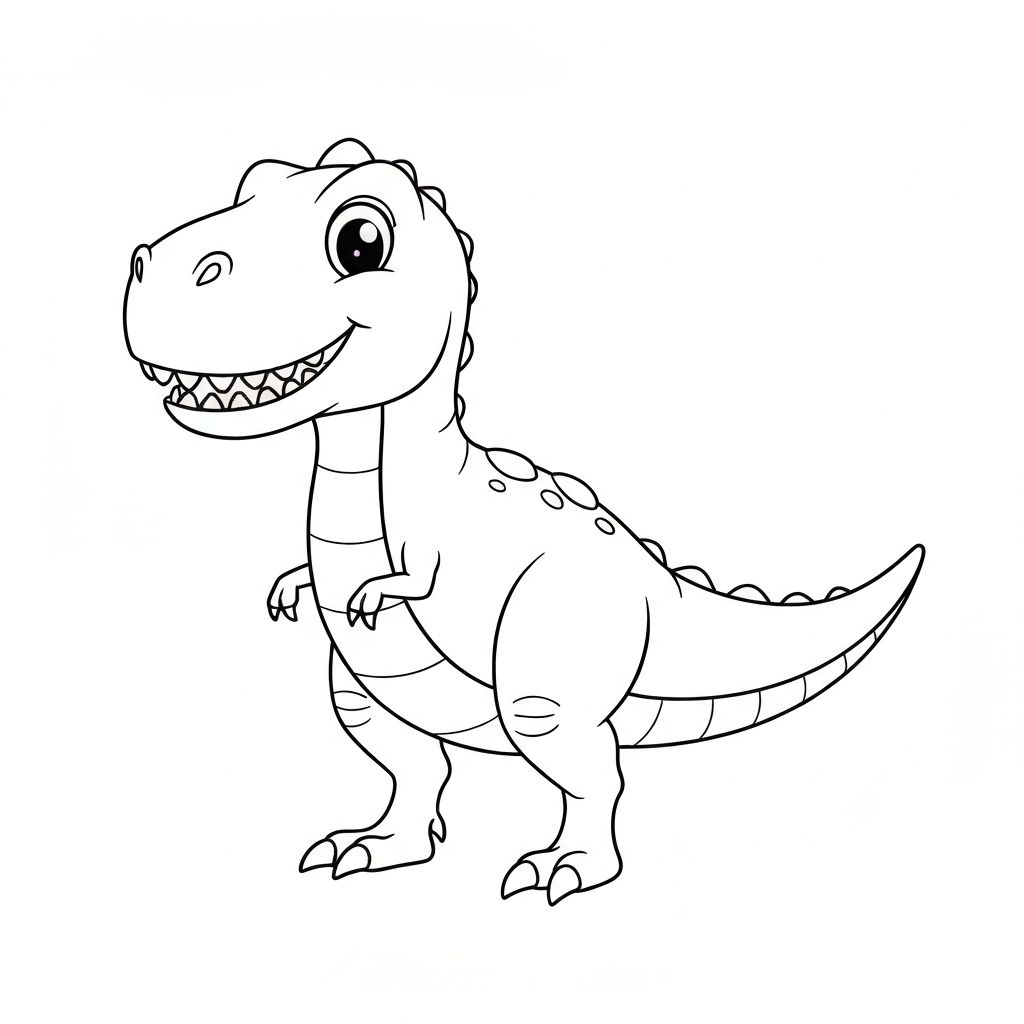
Choose a subject your child already loves, then offer a tool that suits the amount of detail. A bold crayon works well for broad spaces on a dinosaur picture such as Friendly Dinosaurs, while colored pencils can add small details to a fantasy scene. For even more choices, browse themes such as Holidays, Fantasy, or Sea Creatures.
Frequently asked questions
What is the easiest coloring tool for a toddler to hold?
Jumbo crayons and other tools with thick barrels are often easier for toddlers to grasp than slim pencils. Choose sturdy products labeled for your child’s age, and supervise closely. A toddler’s comfort matters more than whether they use a particular grip.
Are washable markers better than crayons for preschoolers?
It depends on the child and the activity. Washable markers make bright lines with little pressure, while crayons are a dry, simple option for broad coloring. Always check the label and protect your surfaces, as washable does not guarantee every stain will disappear.
What coloring supplies create the least mess?
Crayons and colored pencils generally avoid wet spills, making them convenient choices for low-mess coloring. Washable markers also work well when used at a table with a protected surface. Keep the number of tools limited and have a cloth ready for quick cleanup.
When can children start using colored pencils?
There is no single age that suits every child, so follow the product’s age guidance and consider the child’s coordination. Short, thicker colored pencils may be easier for some preschoolers, while others may prefer crayons. Supervise pencil use and store sharpened points safely.
Summary
The best coloring tools for toddlers, preschoolers, and school-age kids balance a comfortable grip with cleanup that works for your home. Start with chunky washable options for young children, introduce more detailed tools as control develops, and match each supply to the child and the picture. Visit KidColoro’s free coloring pages to choose a printable design and start your next low-stress coloring session.