A 10-minute color hunt for preschoolers
Use a simple color hunt to help preschoolers sort objects, recognize repeating patterns, and practice early math through play.
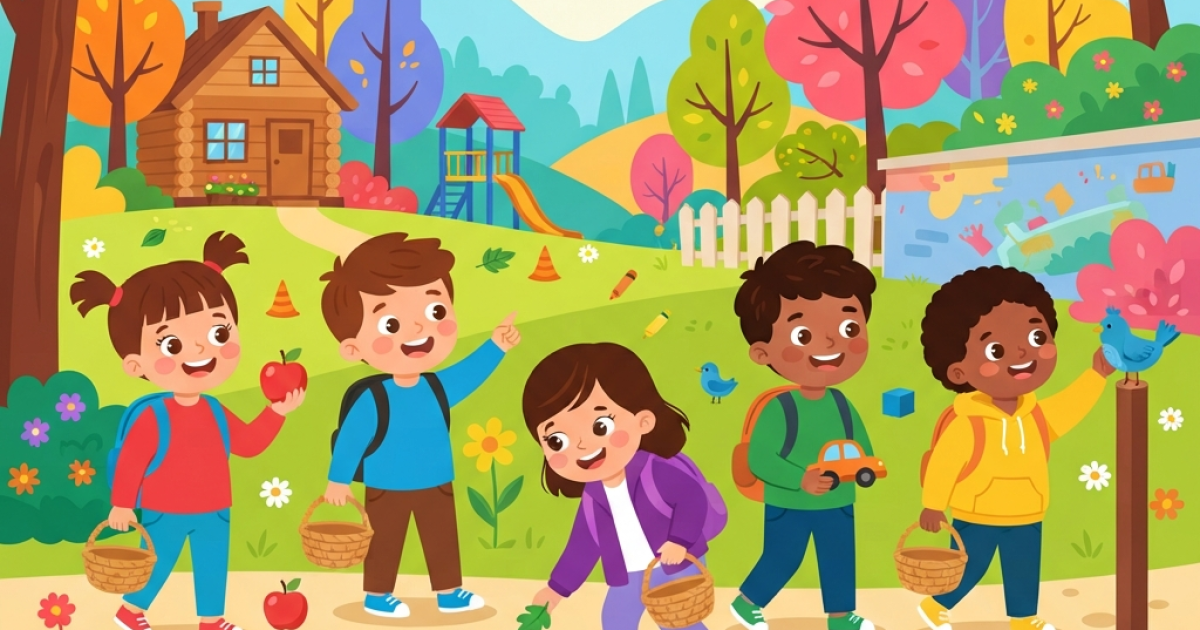
Table of contents
- Why try a 10-minute color hunt?
- How does a color hunt teach patterns and sorting?
- Get ready in two minutes
- The 10-minute color hunt plan
- How can you adapt the activity for different learners?
- Keep the learning going
- Frequently asked questions
A 10-minute color hunt to teach preschoolers patterns and sorting is a simple way to turn your living room into a hands-on math space. You only need a few household objects, a place to sort them, and a playful attitude-no complex lesson plans required.
As a parent, you can guide children to notice what is the same, what is different, and what comes next. Keep the mood light: preschoolers learn best through touching, moving, and naming objects. The goal is to spark curiosity, not to get every answer perfect.
Why try a 10-minute color hunt?
In this short activity, children search for objects of a specific color, group them, and arrange them into a repeating pattern. For example, a child might collect a red block, a red sock, and a red book, then place them in a pile. Afterward, they can build a pattern using two colors, such as red, blue, red, blue.
What children practice
This preschool math activity introduces early concepts in a concrete way. Children compare objects, sort by attribute, and begin to predict what belongs next in a sequence. They also practice descriptive language such as “same,” “different,” “group,” and “next.”
Keep the first round simple by using familiar, safe objects. If you want a quiet follow-up, choose a printable from KidColoro's free coloring pages and invite your child to group the colors they use, such as coloring all the green details together or alternating two colors across a picture.
Discover Our Coloring Pages
How does a color hunt teach patterns and sorting?
Sorting means putting things into groups based on a shared feature. During a color sorting game, a preschooler might group objects by color, such as placing every yellow item in one pile. Start by naming the rule aloud: “This group is for things that are yellow.” Then, ask the child to explain why an object belongs there.
From color groups to repeating sequences
A pattern follows a rule that repeats in a predictable way. Once the objects are sorted, use two colors to make a simple AB pattern: green, orange, green, orange. Point to each object as you say the sequence, then pause before the next spot and ask, “What do you think comes next?”
Sorting and patterning are related but distinct skills. A group of all-blue toys is sorted; a row of blue, yellow, blue, yellow is patterned. Helping children notice that difference builds their understanding through play. You can also use pictures from Nature coloring pages to talk about colors and repeated details in plants and animals.
Get ready in two minutes
Choose a safe area and decide what counts as an item. Use toys, clothing, books, or household objects that are easy for your child to grasp. Avoid small items that could be choking hazards, fragile objects, or anything that should not be handled.
Set up a simple sorting station
Make two or three clear spaces on the floor using paper, plates, or baskets. You can label each spot by saying its color aloud or placing a colored sheet of paper in each one. Begin with two colors if your child is new to sorting.
- Pick a target color, such as red or blue.
- Choose a few safe rooms or a small search area.
- Set out two sorting spots for different colors.
- Keep a timer optional-the activity should feel like a game.
For a themed search, browse our coloring page categories and let your child choose a favorite subject before the hunt. A theme can make the invitation feel personal, but everyday objects work just as well.
The 10-minute color hunt plan
Use this sequence as a flexible guide. If your child is deeply interested in one step, stay with it rather than rushing to the next. Ten minutes is a convenient starting point, not a strict rule.
- Minutes 1-2: Choose the colors. Offer two colors and ask your child to name them. Say, “Today we are looking for red and blue.”
- Minutes 3-5: Hunt and collect. Find a few safe items of each color. Encourage your child to describe each find: “This is a blue truck.”
- Minutes 6-7: Sort the finds. Place each object in the matching group. If an item has more than one color, talk through which color is most noticeable.
- Minutes 8-9: Build a pattern. Arrange two colors in an AB sequence, such as red, blue, red, blue. Leave an empty spot and invite your child to choose what comes next.
- Minute 10: Review and celebrate. Ask what was easy to find and describe the pattern together.
Try asking open-ended questions instead of correcting quickly: “How did you decide where that goes?” or “What do you notice about this row?” If the pattern changes, follow your child’s idea first, then model a repeating sequence beside it.
How can you adapt the activity for different learners?
Preschoolers develop at different rates, so adjust the number of colors and objects to suit your child. For a beginner, sort just three or four objects by one color. For a child who is ready for more, add a third color or ask them to sort by a second feature, such as size after color.
Make the hunt accessible and engaging
Some children benefit from seeing color choices side by side, while others enjoy searching independently. Offer choices without pressure: “Would you like to find blue things or yellow things?” If color names are still emerging, point to a sample and invite matching rather than requiring the child to name each shade.
You can also use favorite subjects to keep attention high. A child who loves animals might look for animal toys, then arrange them by color. Browse Animals or Vehicles for printable themes that can inspire the next round.
Keep the learning going
Once your child understands a two-color pattern, vary the rule. Try a simple AAB sequence, such as red, red, blue, red, red, blue. You can also invite your child to make a pattern with sounds or movements: clap, tap, clap, tap. Connecting the same idea to different senses helps children recognize the repeating rule.
Use coloring as a calm follow-up
After the hunt, offer a coloring page and suggest a pattern: “Would you like to color every other stripe yellow?” or “Can you make the flowers red, blue, red, blue?” A page such as Dinosaur Playing Hopscotch can prompt talk about repeated squares and colors. Let the child decide whether to follow your suggestion or invent a new pattern.
Frequently asked questions
What age can children start sorting by color?
Many toddlers begin matching or grouping by color with adult support, while preschoolers can often sort a wider range of objects and explain a simple rule. Readiness varies, so start with familiar items and a small number of choices.
How do I teach a preschooler to make a pattern?
Start with a short repeating sequence using two clearly different objects, such as a red block and a blue block. Say the pattern aloud as you point to each item, then pause before the next position and invite your child to continue it.
What if my child sorts by a different rule than color?
That is a great chance to talk about how objects have more than one feature. Your child may group items by size, type, or personal meaning instead. Acknowledge the rule they noticed, then gently offer a new challenge: “You grouped the cars together. Can we also make a group of everything that is red?”
Can a color hunt work without printable materials?
Yes. Household objects, toys, and clothes are enough for the activity. Coloring pages are optional and provide a calm way to practice sorting or patterns afterward, but the hunt itself needs no preparation beyond choosing a safe search area.