How to use coloring pages for interactive language learning
Discover how coloring pages can enhance language learning for children through fun and interactive methods.

Table of contents
- How do coloring pages enhance language skills?
- What are the benefits of coloring for language learning?
- How can parents use coloring pages for vocabulary building?
- What interactive activities can be combined with coloring?
- How can you create a bilingual coloring experience?
- What resources can support language learning through coloring?
- How can coloring pages promote storytelling skills?
How do coloring pages enhance language skills?
Coloring pages are not just a fun activity for children; they are also a great way for interactive language learning. By incorporating coloring pages into your child's educational routine, you can create an engaging environment that helps enhance their vocabulary and comprehension skills. As a parent or educator, you can use these fun activities to encourage language development in an enjoyable way.
When children color, they are not only expressing their creativity but also engaging with language in various forms. For example, discussing colors, shapes, and objects depicted in the coloring pages can help children learn new words while simultaneously improving their speaking and listening skills. This approach makes coloring an ideal method for interactive language learning.
Discover Our Coloring Pages


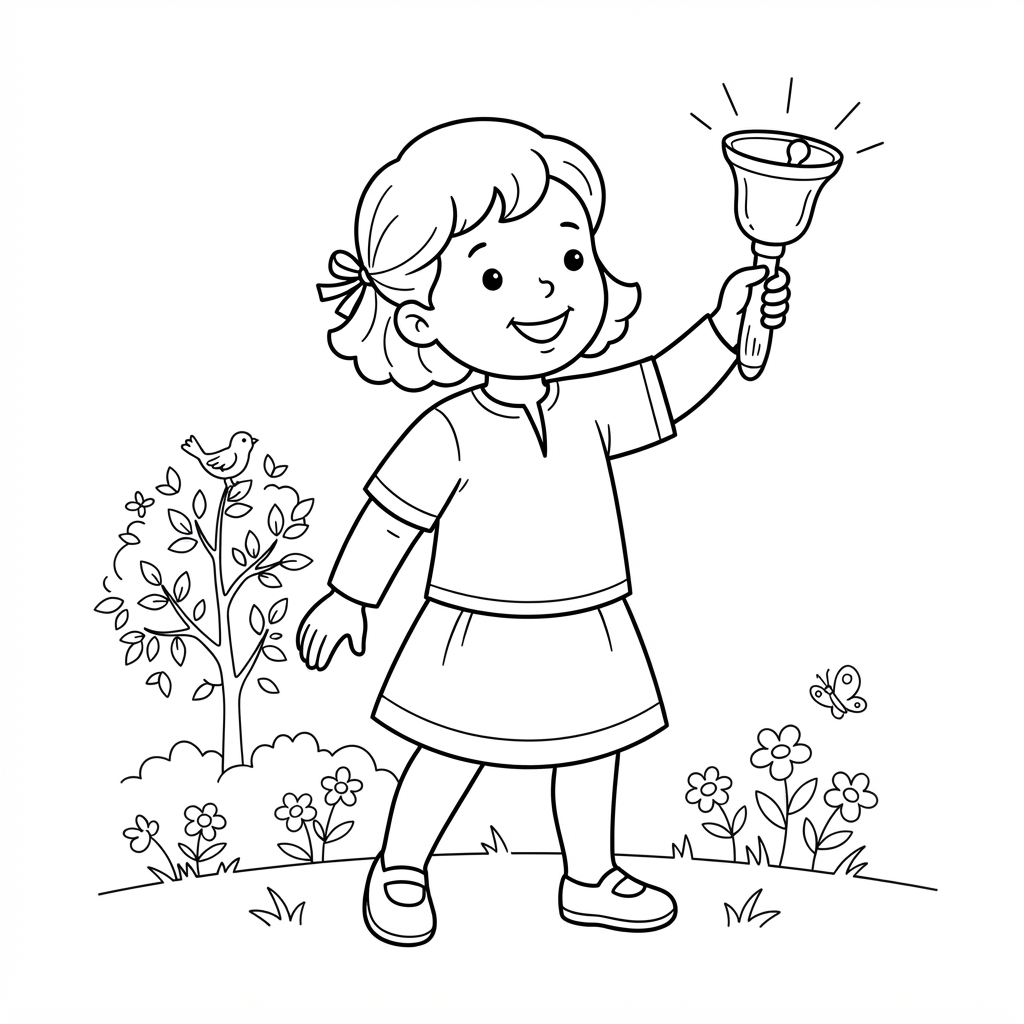
What are the benefits of coloring for language learning?
Coloring pages offer many benefits that can enhance language acquisition. First, they can help improve fine motor skills, which are important for writing. As children grip their coloring tools, they develop the hand-eye coordination necessary for forming letters and words. Additionally, when children are encouraged to express what they are drawing or coloring, they practice verbalizing their thoughts, which boosts their language skills.
- Visual Learning: Coloring pages present visual stimuli that help children associate words with images, aiding memory retention.
- Creative Expression: Encouraging kids to describe their artwork fosters creativity while expanding their vocabulary.
- Interactive Learning: Using coloring pages in a group setting promotes collaboration and conversation among peers.
Practical Examples:
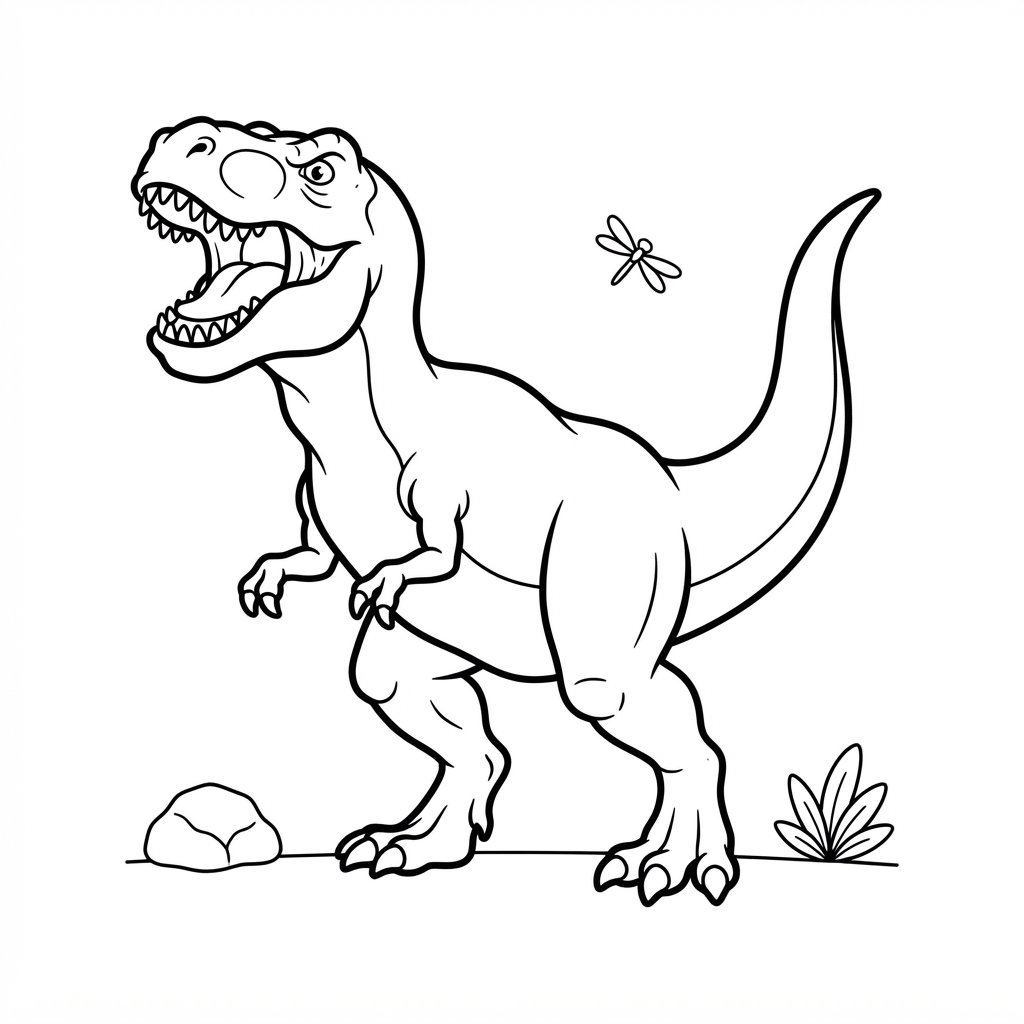
For instance, while coloring a Dinosaur Scene, you can introduce the names of different dinosaurs and their characteristics. Ask questions like, "What color is your dinosaur?" or "What do you think this dinosaur eats?" This not only makes coloring fun but also turns it into an engaging learning session.
How can parents use coloring pages for vocabulary building?
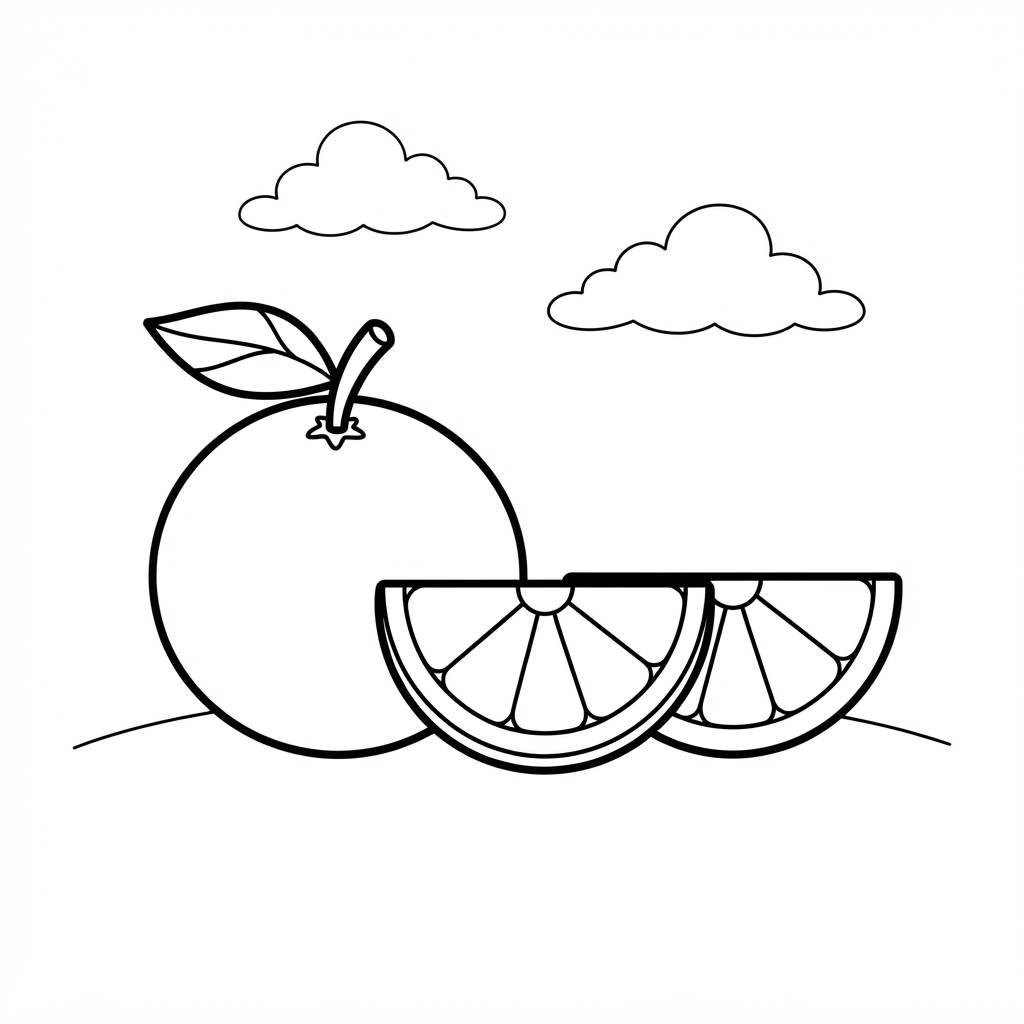
Using coloring pages for vocabulary building is both simple and effective. Parents can select coloring sheets that feature common themes, such as animals, vehicles, or food. By discussing these themes while children are coloring, parents can introduce new words and concepts. For example, while coloring a page featuring a food theme, parents can discuss different fruits, vegetables, and their colors, thus enhancing the child's vocabulary.
- Select Relevant Pages: Choose coloring pages that focus on specific vocabulary sets, like sports or holidays.
- Use Labels: Label objects in the coloring sheet with their names to reinforce learning.
- Encourage Descriptions: Ask your child to describe what they are coloring, prompting them to use newly learned vocabulary.
What interactive activities can be combined with coloring?
Enhancing the coloring experience with interactive activities can help language learning even more. For instance, parents can incorporate storytelling sessions where children create tales based on their colored pages. By asking kids to narrate a story about their artwork, you encourage them to use their imagination and practice their speaking skills.
Additional Activities:
- Group Discussions: Set up a "show and tell" where children can present their colored pages and explain their choices.
- Word Games: Create a scavenger hunt where children find items in the coloring pages and describe them.
- Role Play: Use characters from the coloring pages to act out scenarios, enhancing narrative skills.
How can you create a bilingual coloring experience?
For families looking to introduce a second language, coloring pages can be a fantastic tool for bilingual education. You can pair coloring activities with vocabulary in both languages. For example, use a coloring page featuring a vehicle and label it in both English and the second language, encouraging your child to repeat the words as they color.
- Dual Language Labels: Print coloring pages with labels in both languages side by side.
- Coloring Sessions: Conduct coloring sessions entirely in the second language, using only that language for instructions and discussions.
- Flashcards: Create matching flashcards of the colored items in both languages for added reinforcement.
What resources can support language learning through coloring?
There are many resources available to support language learning through coloring. Websites like KidColoro's free coloring pages offer a variety of themes that can cater to different language learning needs. Additionally, consider utilizing educational apps that provide interactive coloring activities combined with vocabulary games.
| Resource Type | Examples | Benefits |
|---|---|---|
| Websites | KidColoro, Education.com | Free printable pages, easy access to diverse themes |
| Apps | Colorfy, Pigment | Interactive coloring with language options, engaging features |
| Books | Bilingual coloring books | Structured learning with guided activities |
How can coloring pages promote storytelling skills?
Storytelling is an important part of language development, and coloring pages can be a great way to develop this skill. As children color, they can create narratives based on their artwork. For instance, coloring a page of a fantasy scene can inspire a child to create a story about the characters and their adventures.
- Story Prompts: Provide prompts related to the coloring page to spark creativity.
- Sequential Storytelling: Have children color multiple pages and create a continuous story linking each page.
- Character Development: Encourage them to develop backgrounds for characters they color, enhancing their imagination.
Frequently asked questions
Can coloring help my child learn a new language?
Yes! Coloring can be a fun way to learn a new language. By discussing colors, shapes, and vocabulary related to the coloring pages, children can acquire new words in a relaxed setting.
What age is appropriate for using coloring pages for language learning?
Coloring pages can be beneficial for children as young as 2 years old. As they grow, the complexity of the pages and the vocabulary can increase to match their developmental stage.
How often should we use coloring pages for learning?
Incorporate coloring pages into your child's routine 2-3 times a week. This frequency helps reinforce vocabulary and language skills without making it feel like a chore.
Are there specific coloring pages that are better for language learning?
Yes, pages that depict familiar themes, such as animals or everyday objects, are excellent for vocabulary building. Pages like Dinosaur Scene or food themes are great choices.
How can I assess my child's language development through coloring?
Observe how your child describes their colored pages. Take note of new words they use or how they create stories based on their artwork. This can give you insight into their language development progress.
Conclusion
Coloring pages are a fun and engaging way to involve children in language learning. By incorporating these enjoyable activities into their daily routine, you can help enhance their vocabulary, storytelling skills, and overall language skills. For a plethora of free coloring pages that can help with this learning journey, visit KidColoro today and explore our wide range of pages!