How to use animal coloring pages to teach ecology concepts
Discover how animal coloring pages can teach children valuable ecology concepts.
Table of contents
- How Can Animal Coloring Pages Introduce Ecology?
- What Are the Benefits of Coloring for Learning?
- How to Use Coloring Pages to Teach Habitat Concepts?
- How Do Animal Coloring Pages Foster Conservation Awareness?
- What Practical Activities Can Enhance Learning?
- How to Integrate Technology with Coloring Activities?
- What Resources Are Available for Parents and Educators?
How Can Animal Coloring Pages Introduce Ecology?
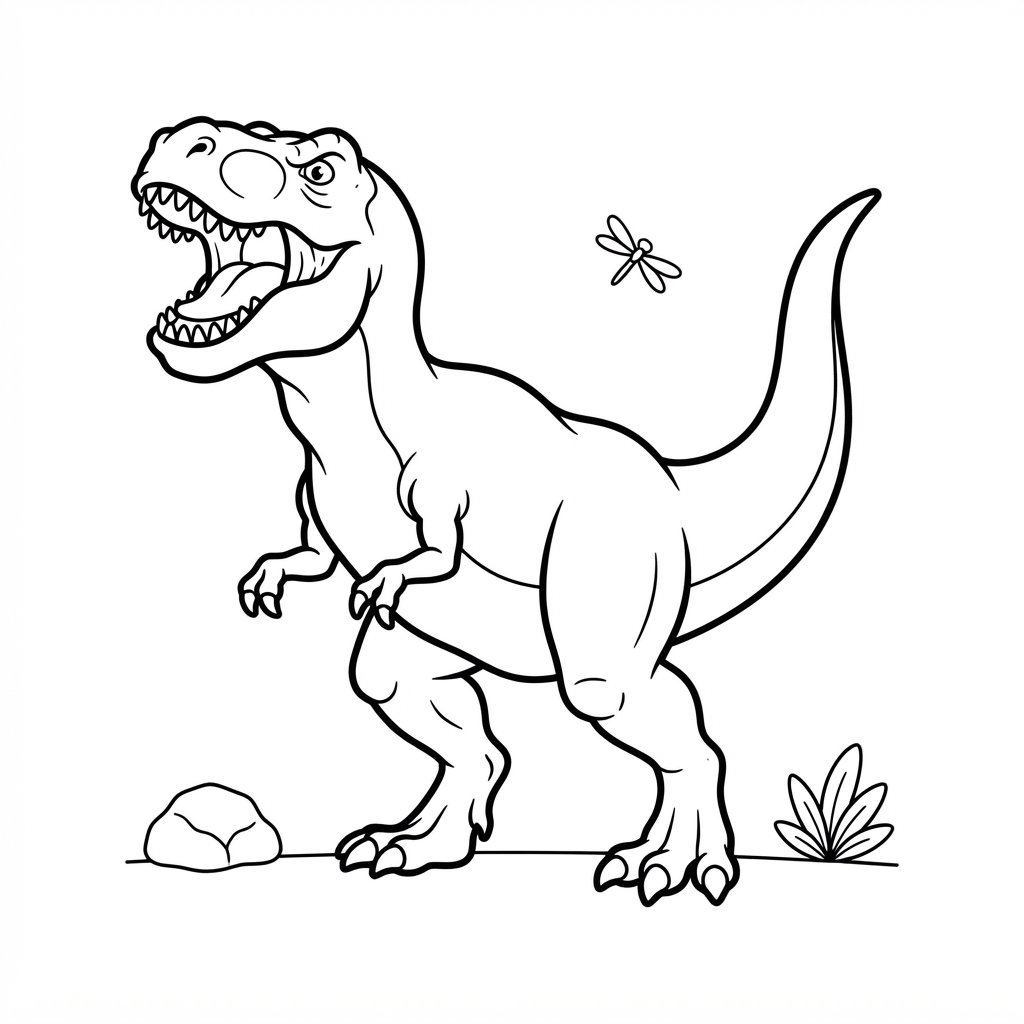
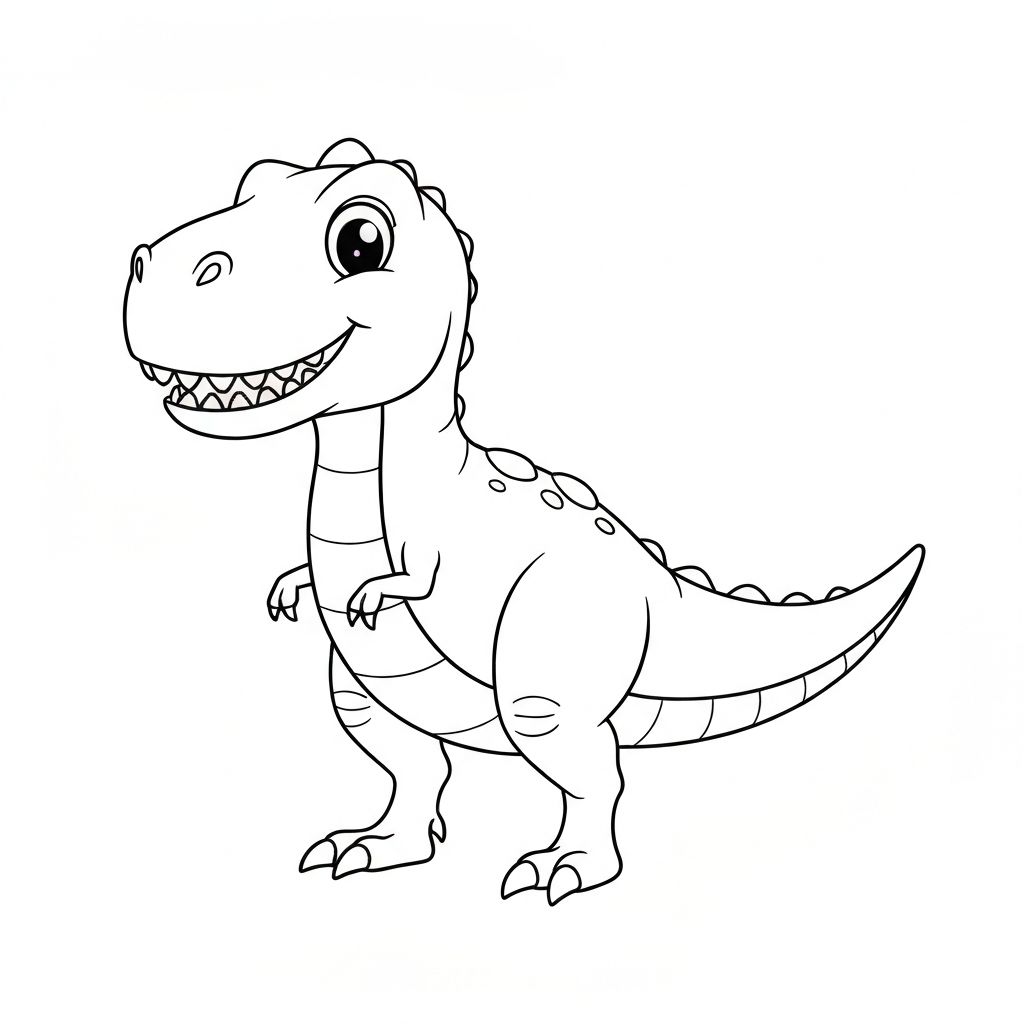
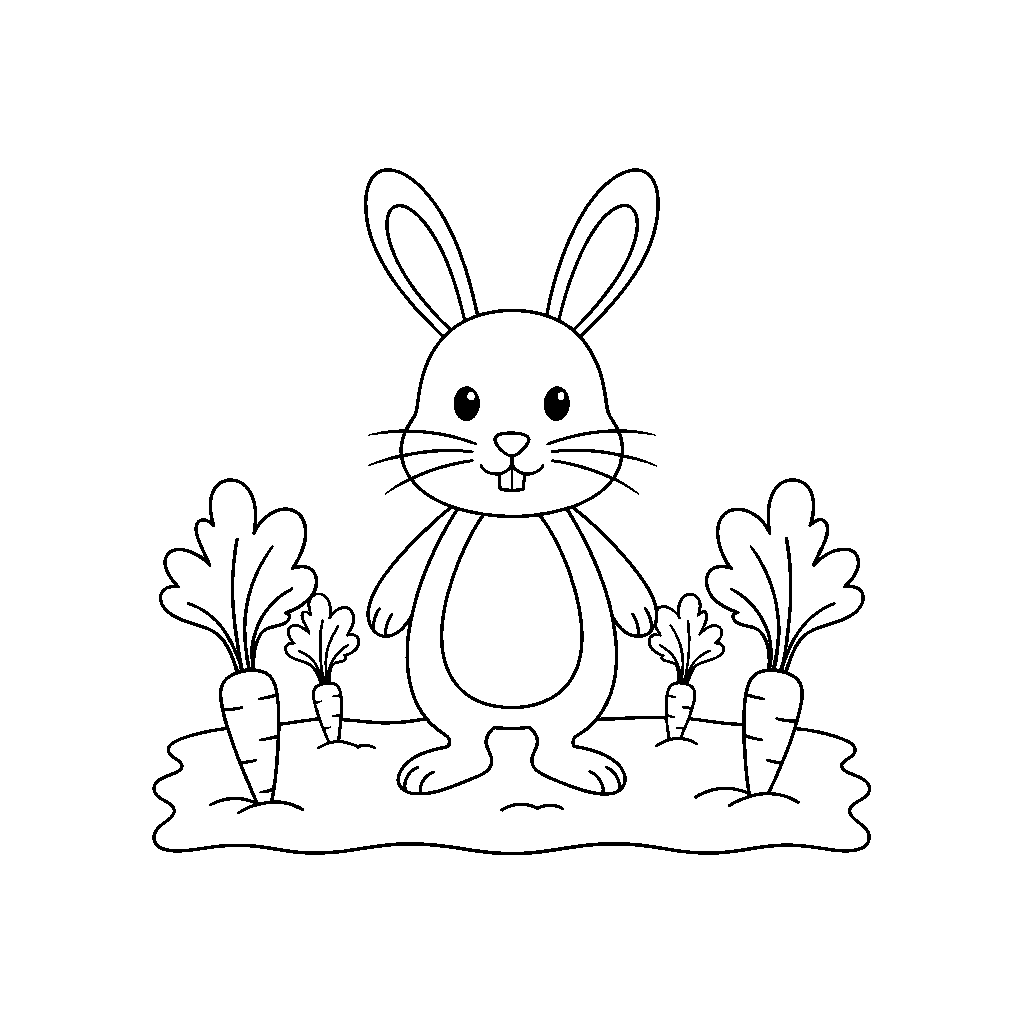
Animal coloring pages are a great way to teach ecology concepts to children. By coloring various animals, kids can learn about their habitats, diets, and behaviors in a fun and engaging way. Parents and educators can use these pages to spark interest in the environment and how living things connect.
When children interact with animal coloring pages, they not only enjoy a creative activity but also learn about the natural world. This hands-on approach makes learning more memorable and encourages kids to ask questions about the natural world around them.
Discover Our Coloring Pages

What Are the Benefits of Coloring for Learning?
Coloring offers many benefits for learning and development. When children color, they develop fine motor skills, enhance their focus, and express their creativity. Additionally, coloring can serve as a calming activity, which can help children relax.
Key Benefits of Coloring for Learning
- Fine Motor Skills: Grasping crayons and controlling movements helps develop hand-eye coordination.
- Concentration: Focusing on a coloring page improves attention span and cognitive abilities.
- Expression: Children can express their feelings and ideas through color choices.
How to Use Coloring Pages to Teach Habitat Concepts?
Understanding animal habitats is a key part of understanding ecology. By using animal coloring pages, parents and educators can introduce children to different ecosystems, such as forests, oceans, and deserts. Each page can represent a specific habitat, alongside interesting facts about the animals that live there.
For example, while coloring a polar bear, you can discuss the Arctic habitat, the importance of ice, and how climate change affects these majestic animals. This approach not only teaches kids about the animals but also helps them feel a connection to protecting these animals.
How Do Animal Coloring Pages Foster Conservation Awareness?
Creating awareness about conservation is important for our planet's future. Animal coloring pages can be a great starting point for discussions on endangered species and the importance of biodiversity. By coloring animals that are threatened or endangered, children can learn about the challenges these species face in their natural habitats.
Engaging Conservation Activities
- Storytelling: Encourage children to create stories about their colored animals, explaining how they survive and what threats they face.
- Group Discussions: Organize group sessions where children can share what they learned about their animals and why conservation matters.
- Art Projects: Use colored pages to create a larger mural representing different habitats and the animals that inhabit them.
What Practical Activities Can Enhance Learning?
To enhance the learning experience, consider incorporating activities that complement the coloring pages. For example, after coloring, take a nature walk where kids can identify local animals and their habitats. This real-world connection reinforces what they learned through coloring.
Another great activity is to create a matching game using animal coloring pages. Kids can cut out pictures of animals and match them with their corresponding habitats or food sources. This interactive approach helps them understand through fun activities.
How to Integrate Technology with Coloring Activities?
With digital tools, integrating technology into learning can make it even more fun. There are several apps that allow children to color digitally, making the activity more interactive. Some apps incorporate educational content about the animals and their habitats as part of the coloring process.
Recommended Tools
- Doodle Apps: Use apps that allow kids to color digitally while learning facts about each animal.
- Online Resources: Websites like KidColoro offer printable coloring pages and educational materials.
- Interactive Videos: Show short videos about animals and their ecosystems before or after coloring sessions.
What Resources Are Available for Parents and Educators?
Parents and educators can find many resources to enhance their lessons on ecology. Websites like KidColoro offer free animal coloring pages that can be printed and used for various educational purposes. These resources not only provide coloring fun but also come with facts and tips for teaching.
Additionally, consider using books, documentaries, and local wildlife programs to further deepen children’s understanding of ecology. Bringing in multiple resources ensures a complete learning experience.
Frequently asked questions
How do animal coloring pages help children learn about ecology?
Animal coloring pages engage children in a hands-on activity while teaching them about different species, their habitats, and ecological relationships. This interactive approach makes learning about ecology fun and memorable.
What age group is best suited for using animal coloring pages?
Animal coloring pages can be beneficial for children of various ages, typically from preschool to early elementary school. Younger kids enjoy the coloring aspect, while older children can engage with ecological concepts in more depth.
Can coloring pages be used in a classroom setting?
Absolutely! Coloring pages can be a great addition to classroom activities. They can be used for group projects, individual assignments, or as a fun way to introduce ecological topics during lessons.
Where can I find free animal coloring pages?
You can find a variety of free animal coloring pages on websites like KidColoro. These pages are designed to be educational and entertaining, making them perfect for teaching children about ecology.
How can coloring activities promote conservation awareness?
Coloring activities can introduce children to endangered species and the importance of preserving biodiversity. By discussing conservation issues while coloring, kids can develop a sense of responsibility towards the environment.
Conclusion
Incorporating animal coloring pages into your educational toolkit is a creative and effective way to teach children about ecology. By engaging in this hands-on activity, kids can learn about habitats, conservation, and the importance of protecting our planet. Make learning fun and memorable! Visit KidColoro for a wide selection of free coloring pages that can help children learn about and care for our planet!