Interactive coloring ideas to teach emotions to kids
Learn how interactive coloring can help teach children about emotions in fun ways.

Table of contents
- How can interactive coloring help teach emotions?
- What are some creative coloring ideas for emotions?
- How to use color associations to express feelings?
- What activities can enhance emotional learning through coloring?
- How to incorporate storytelling with coloring pages?
- Can group coloring sessions help in emotional understanding?
- What practical tips can parents use for emotional learning?
How can interactive coloring help teach emotions?
Interactive coloring ideas are a fantastic way to teach emotions to kids, making learning fun and engaging. As a parent or educator, you may find that children often struggle to articulate their feelings. Using coloring as a tool can help bridge that gap, enabling them to express emotions visually. Through colors and images, kids can explore complex feelings in a way that is simple and approachable.
By integrating emotional learning with creative activities, children can better understand not just their own emotions but also those of others. Developing emotional intelligence is crucial for healthy social interactions and overall well-being.
Discover Our Coloring Pages


What are some creative coloring ideas for emotions?
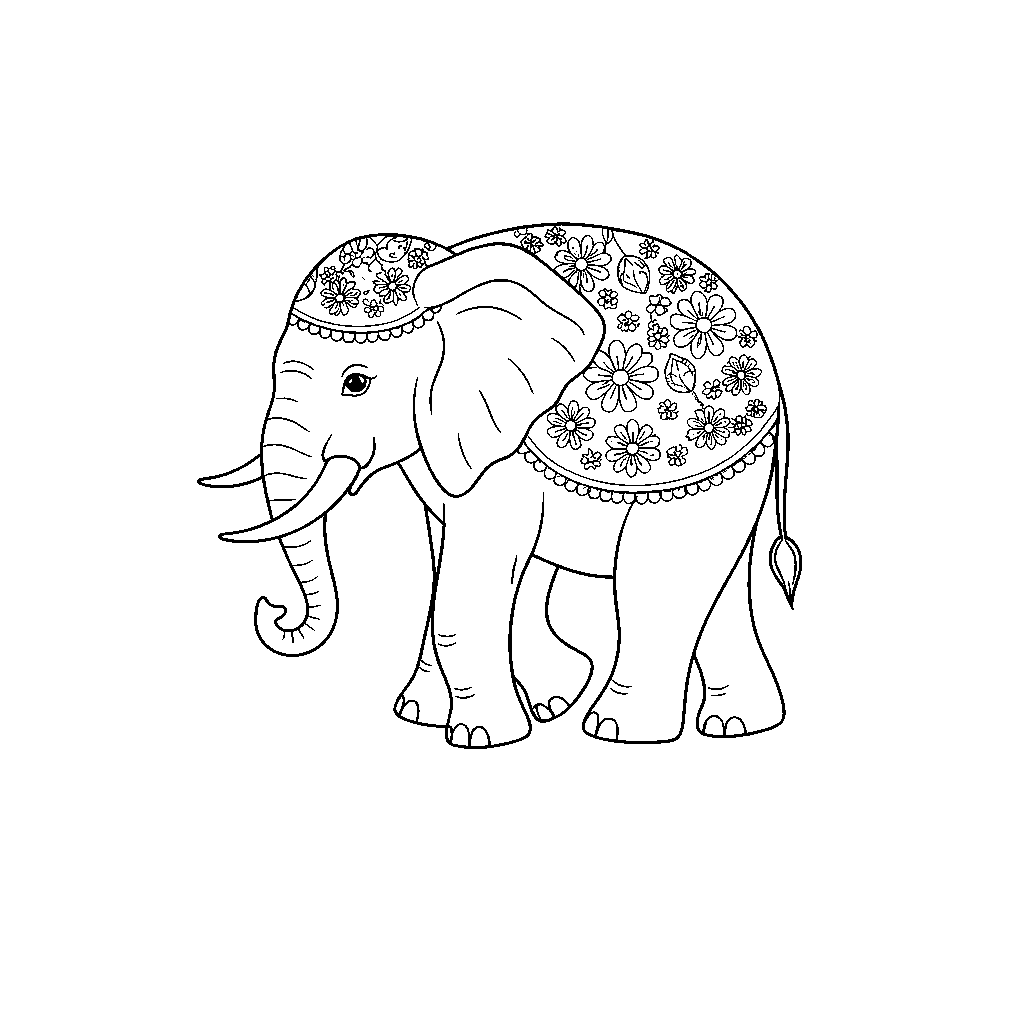
To help kids connect emotions with colors, consider introducing them to themed coloring pages that represent different feelings. For instance, provide coloring pages featuring happy scenes, sad characters, or even angry animals. Each page can serve as a springboard for discussing what those emotions feel like. You can find a variety of coloring pages on KidColoro's free coloring pages.
- Happy Faces: Use pages that depict characters smiling in joyful settings.
- Sad Scenes: Offer images of characters in rain or under dark clouds to discuss feelings of sadness.
- Angry Animals: Provide coloring pages of animals showing their teeth or with fur standing on end to represent anger.
Choosing the Right Colors
Encourage children to choose colors that resonate with the emotions they are feeling. For example, bright colors like yellow and orange can signify happiness, while cooler colors like blue might represent sadness. Letting kids pick their colors can enhance their connection to the emotions they are exploring.
How to use color associations to express feelings?
Color associations can be powerful tools in teaching emotions. By discussing how different colors relate to specific feelings, you can help kids articulate their moods more effectively. Start by introducing a color wheel, and discuss the emotions associated with each color.
| Color | Associated Emotion |
|---|---|
| Red | Anger, Love |
| Blue | Sadness, Calm |
| Yellow | Happiness, Energy |
| Green | Peace, Growth |
| Purple | Creativity, Mystery |
After discussing colors, provide coloring pages that allow children to express these emotions visually. Encourage them to use the colors that correspond to how they feel while coloring.
What activities can enhance emotional learning through coloring?
Engaging activities can enhance emotional learning during coloring sessions. Here are a few ideas:
- Emotion Charades: Have kids act out different emotions while others color corresponding pages. This promotes understanding and empathy.
- Group Discussions: After coloring, encourage children to share their artwork and the emotions they were trying to express. This helps validate their feelings.
- Storytime Integration: Read stories that explore emotions, then have kids color pages related to those stories.
Collaborative Coloring Projects
Consider organizing group coloring sessions where kids can collaborate on a giant mural that represents a variety of emotions. This not only fosters creativity but also teaches teamwork and emotional expression in a shared context.
How to incorporate storytelling with coloring pages?
Storytelling can be a powerful companion to coloring. By weaving narratives around coloring pages, you can deepen children's understanding of emotions. Choose a coloring page that depicts a scene or character and create a story around it, focusing on the emotions involved.
For example, if you're using a page of a Friendly Robot, tell a story about the robot helping a sad child and how they both feel at different points. After telling the story, let the kids color the page while discussing how the characters might feel in various situations.
Can group coloring sessions help in emotional understanding?
Yes, group coloring sessions can significantly help children understand emotions better. When kids color together, they have the opportunity to share their thoughts and feelings about the colors and images they are working with. This can lead to discussions about feelings that might not happen in a one-on-one setting.
Consider organizing a coloring day where children can bring their favorite coloring pages and share stories about them. Encourage interactions by prompting them to discuss what emotions they think the characters are experiencing and how similar feelings might appear in their own lives.
What practical tips can parents use for emotional learning?
As a parent, you can enhance emotional learning through coloring with these practical tips:
- Establish a Routine: Set aside regular times for coloring and discussions about emotions.
- Use Real-Life Experiences: Connect coloring activities to real-life situations that evoke emotions, helping children link feelings to experiences.
- Be Open and Approachable: Create a safe space for children to express their feelings and thoughts about the colors they choose.
By implementing these ideas, you can help your children explore and express their emotions in a fun and creative way.
Frequently asked questions
How does coloring help kids understand their emotions?
Coloring provides a visual way for children to express their feelings. By choosing colors that resonate with specific emotions, kids can better articulate how they feel, making it an effective tool for emotional learning.
What age group benefits most from interactive coloring for emotions?
Interactive coloring can benefit children aged 3 to 8 the most, as they are developing their emotional vocabulary and understanding. However, older kids can also find value in coloring as a means of stress relief and self-expression.
Can parents participate in coloring activities to teach emotions?
Absolutely! When parents engage in coloring activities with their children, it promotes bonding and creates opportunities for open discussions about feelings, enhancing the learning experience.
Are there specific coloring pages that represent emotions?
Yes! There are numerous coloring pages available that depict various emotions. For example, pages featuring happy animals, sad characters, or even angry faces can help children explore these feelings visually.
How often should I engage my child in coloring activities focused on emotions?
Regular engagement is key. Aim for at least once a week to explore emotions through coloring. This consistent practice will help reinforce emotional understanding and expression over time.
Interactive coloring ideas offer an enjoyable and effective way to teach emotions to kids. By utilizing themed coloring pages, color associations, storytelling, and group activities, you can create a rich emotional learning environment. For a wealth of free printable coloring pages, visit KidColoro and begin exploring today!