How to Use Coloring Pages to Learn Shapes and Patterns
Discover how coloring can help children learn shapes and patterns in a fun way.
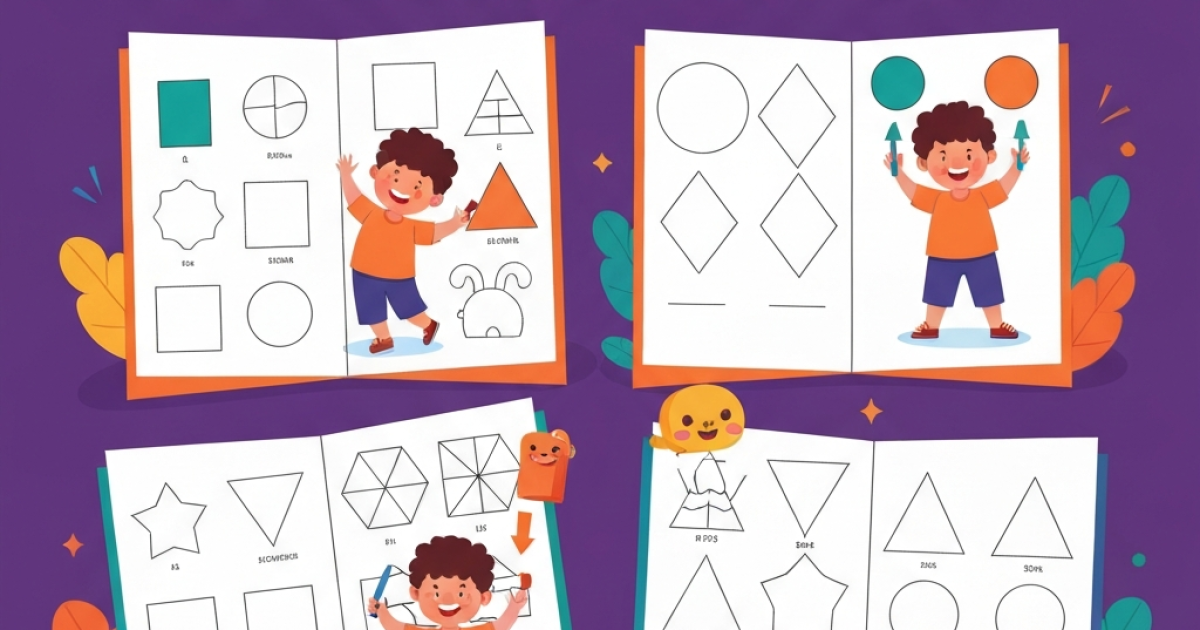
Coloring Pages: The Key to Learning Shapes and Patterns for Children
Coloring is much more than just great fun! It's also an effective and enjoyable learning method for the youngest. With coloring pages, you can help your child grasp basic shapes and patterns. Discover how to easily combine pleasure with education, learn specific techniques and materials you can use. See how coloring can become a valuable educational tool in your home or classroom!
Why Are Shapes and Patterns So Important in a Child's Development?
Understanding shapes and patterns is a fundamental element of children's cognitive development. Shapes form the basis of many mathematical concepts, and the ability to recognize patterns is essential for developing logical thinking and analytical skills. Introducing children to the world of shapes and patterns through coloring activities is an incredibly effective learning method.
By teaching children shapes, we support them in developing the ability to recognize and interpret the world around them. Coloring pages allow children to visualize various shapes – from simple figures like circles, squares, and triangles, to more complex forms. What's more, patterns such as stripes, dots, or spirals help children understand how different elements can coexist, create sequences, and build something new.
Discover Our Coloring Pages


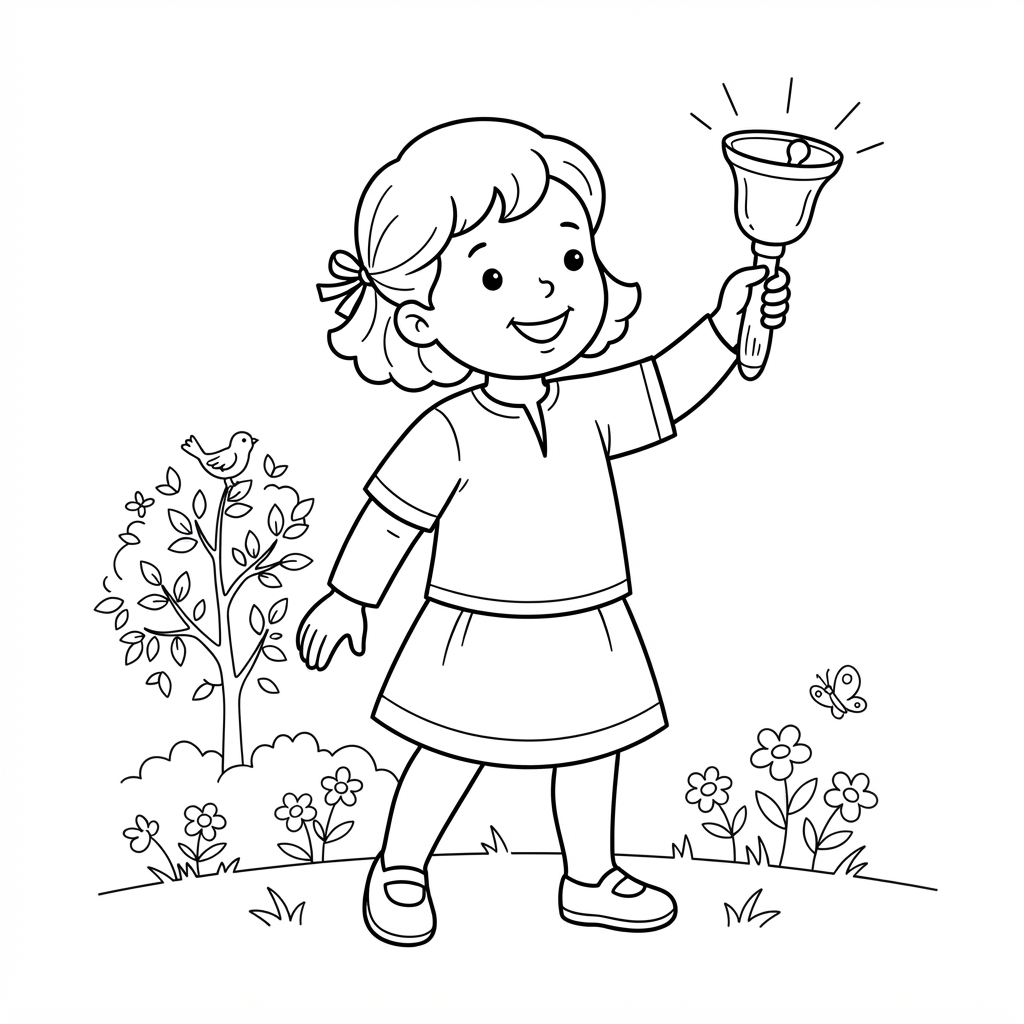
How to Introduce Shapes into Coloring Pages? Creative Ideas
Introducing shapes into coloring pages can be both simple and incredibly creative. Here are some proven methods:
- Simple shapes to start: Begin with coloring pages that feature single shapes. For example, a coloring page with a mail carrier with packages can contain many rectangles (packages) and circles (wheels) that the child can easily recognize and color.
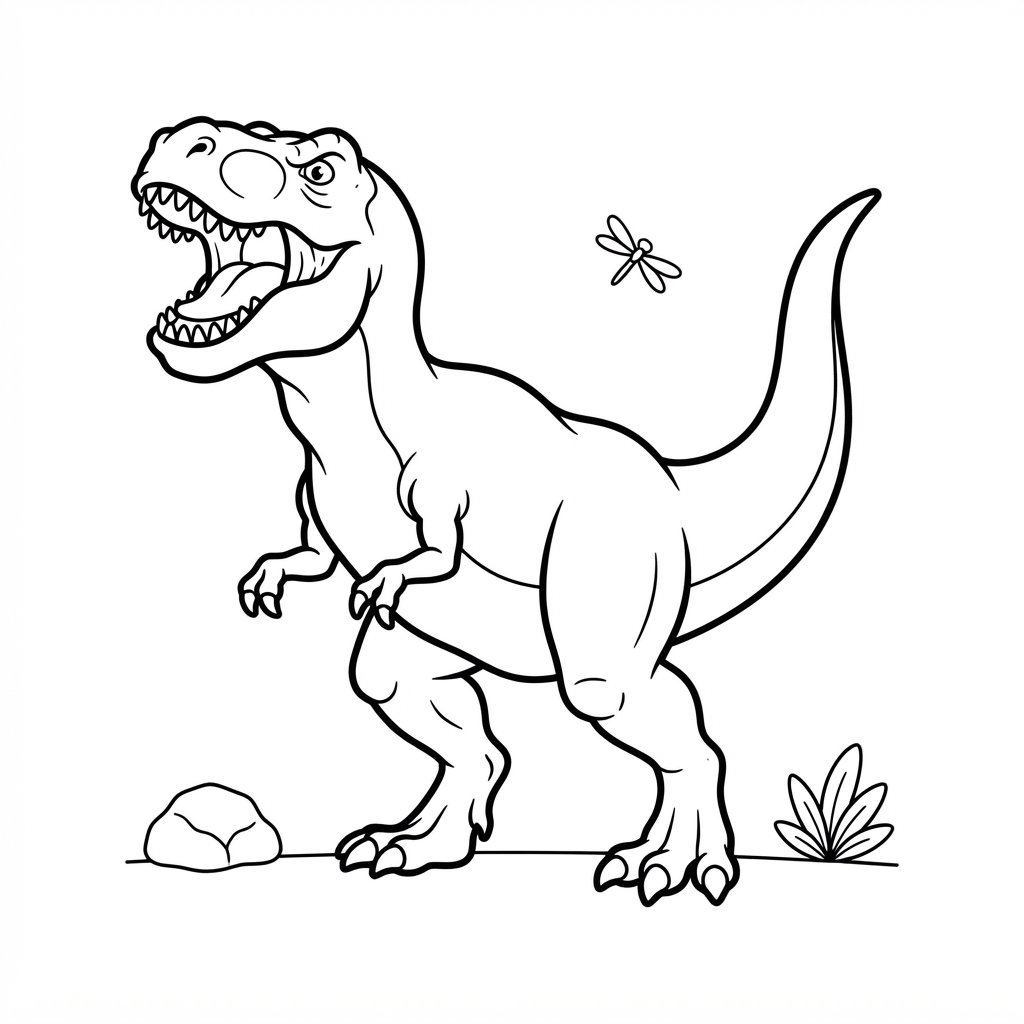
- Combine shapes into scenes: Choose or create coloring pages that combine different shapes into one cohesive scene. In a dinosaur scene coloring page, a child might find triangular teeth, oval eyes, or rectangular rocks, which encourages active searching for and naming shapes.
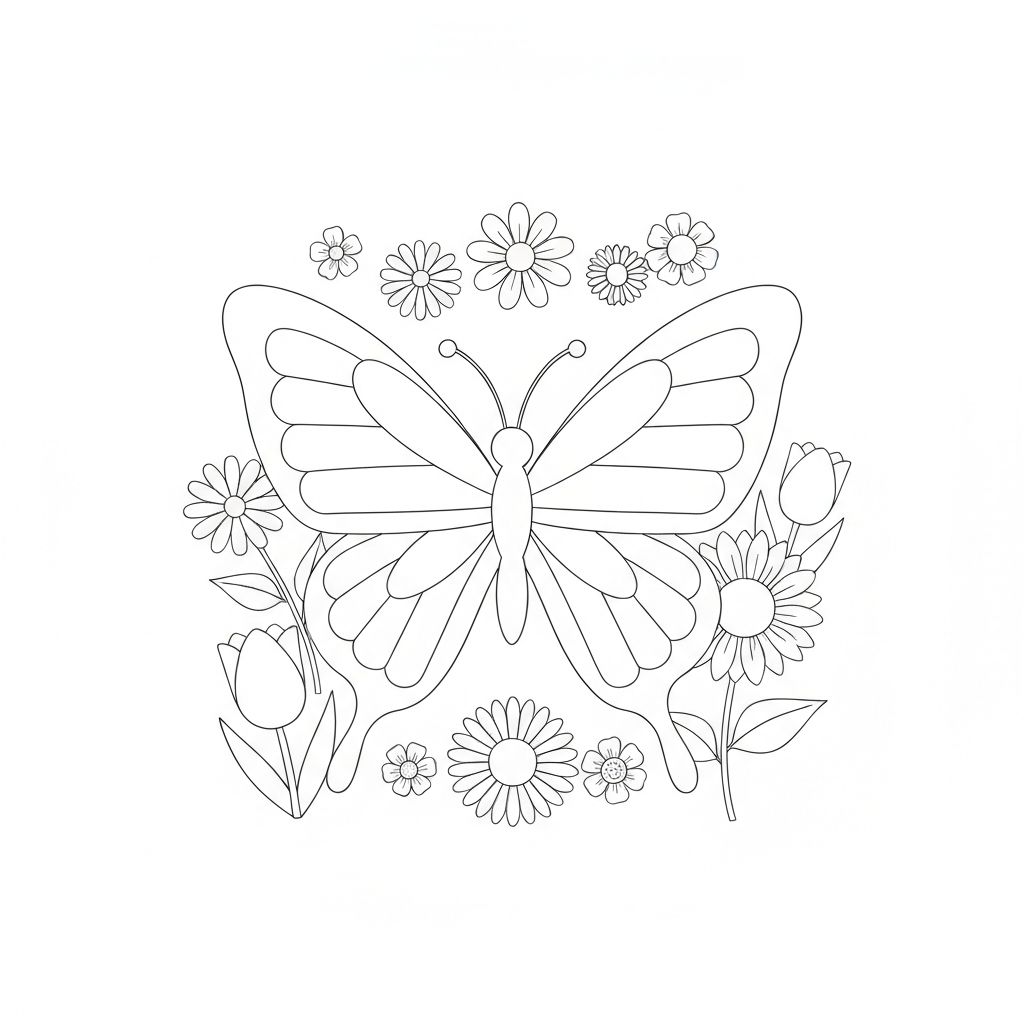
- Shapes in everyday context: Look for coloring pages that depict shapes in everyday or fantastical situations. For example, in a fantasy garden, the shapes of plants and flowers create interesting patterns, and the child learns that shapes are all around us.
Practical Learning Techniques with Coloring Pages
To maximize the use of coloring pages as an educational tool, apply these simple techniques:
- Talk while coloring: Encourage your child to describe the shapes they are coloring. Ask questions like: "What shape is this?", "How many sides does this square have?", or "Does this pattern repeat?". Such conversations develop vocabulary and communication skills.
- Introduce fun activities: After coloring a page, organize small quizzes or games. Ask your child to point out and name all the circles, triangles, or specific patterns in the picture.
- Create your own patterns: Encourage your child to create their own patterns from colored shapes. They can cut out colored circles and arrange them into a pattern of stripes and dots, developing creativity and an understanding of sequences.
Other Benefits of Coloring
Coloring is not just about learning shapes and patterns. This simple activity offers many other benefits that comprehensively support children's development:
First and foremost, coloring develops motor skills. Holding a crayon, coloring precisely within lines, or choosing appropriate colors are excellent exercises for small hands and hand-eye coordination. Furthermore, coloring helps develop concentration and patience. Children learn to focus on a task, which is extremely important for their further educational development and daily life.
Coloring also has a positive impact on emotions. It acts as a relaxing and calming activity, which can help children cope with stress and overstimulation. By being able to freely express themselves through colors, they gain greater self-confidence, develop creativity, and learn to express their feelings.
Tips for Parents and Teachers
Here are some practical tips to help you effectively use coloring pages to teach shapes and patterns:
- Regularity: Try to incorporate coloring into your child's daily routine. Even a few minutes a day can bring enormous developmental benefits.
- Variety: Choose coloring pages from different categories to keep your child interested. Coloring pages from animal categories, space, or vehicles can be equally exciting and educational.
- Interactivity: Engage children in the creation process. You can draw simple shapes together and then color them, or create your own patterns to color.
Summary
Coloring is a fantastic way to learn shapes and patterns in an enjoyable and interactive manner. Through coloring pages, children not only develop their cognitive skills but also express their creativity, practice motor skills, and learn through play. It's an investment in their comprehensive development!
We encourage you to visit KidColoro, where you'll find plenty of free coloring pages that will help your child on a fascinating journey through the world of shapes and patterns. See how coloring can enrich your child's education!
Don't wait! Discover the world of coloring with KidColoro today and support your child's learning through joyful play!