How to use color theory in coloring activities for kids
Learn how to incorporate color theory into children's coloring activities. Boost creativity and cognitive skills!
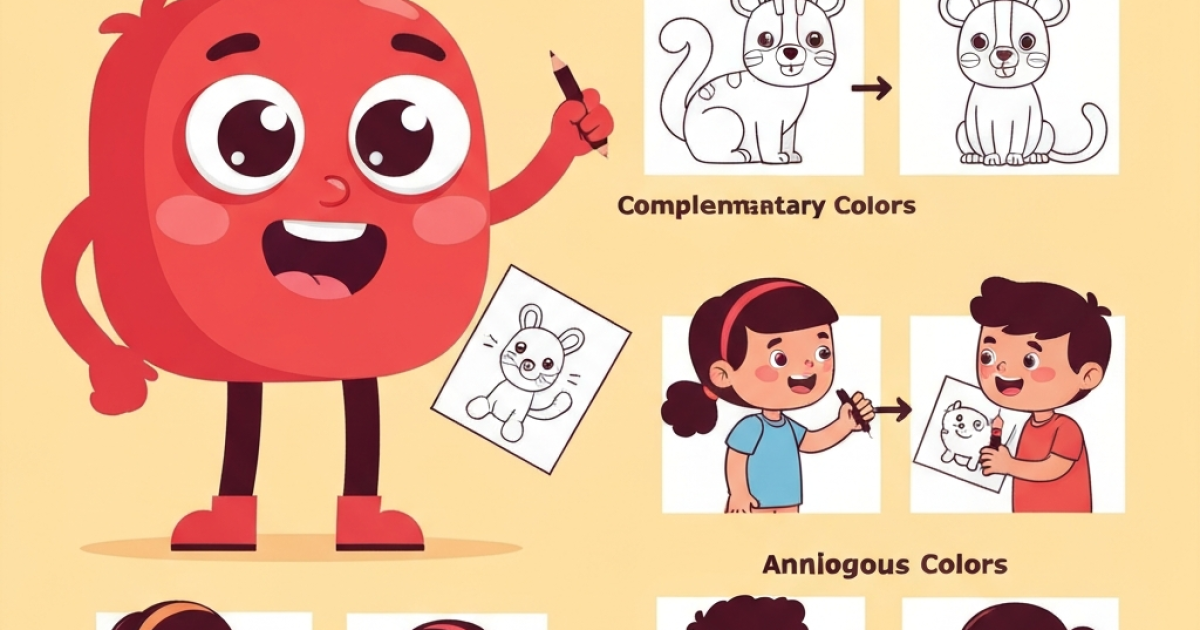
Table of contents
- What is Color Theory?
- Why is Color Theory Important for Kids?
- How Can You Introduce Color Theory in Coloring Activities?
- What Are Primary and Secondary Colors?
- How Can You Use Color Schemes in Coloring Pages?
- What Are Some Fun Color Theory Activities for Kids?
- How Does Color Influence Emotions in Children?
What is Color Theory?
Understanding color theory can transform your child's coloring activities into a fun and educational experience. Color theory encompasses the principles and guidelines that explain how colors interact with each other and how they can be combined harmoniously. By introducing your child to these color concepts, you're not only enriching their artistic skills but also enhancing their cognitive development.
The art of color is essential in helping children recognize the differences between hues, appreciate aesthetics, and develop their creativity. As a parent or educator, you can leverage this knowledge to make coloring activities more engaging and meaningful. Let’s explore how you can incorporate color theory into your child's coloring sessions effectively.
Discover Our Coloring Pages

Why is Color Theory Important for Kids?
Color theory is important for kids because it fosters creativity while also supporting various developmental skills. By learning about colors and their relationships, children can enhance their critical thinking and decision-making skills. For instance, when children select colors for their drawings, they are making choices that reflect their personal expression and understanding of aesthetics.
Moreover, understanding color relationships can boost emotional intelligence. Different colors evoke different feelings, and by discussing these associations, you help children articulate their emotions better. Understanding color preferences can also lead to discussions about identity and individuality.
Benefits of Color Theory for Children
- Enhances creativity and artistic expression.
- Develops critical thinking and decision-making skills.
- Improves emotional intelligence through color associations.
- Encourages experimentation and exploration in art.
How Can You Introduce Color Theory in Coloring Activities?
To introduce color theory in coloring activities, start with simple concepts. You can explain the basic color wheel, which includes primary, secondary, and tertiary colors. Use fun, relatable examples, such as mixing red and blue to make purple. This hands-on approach will help children visualize these fundamental color concepts.
Next, encourage your child to create their own color wheel by coloring in sections with different colors. This can be a fun project that allows them to experiment with mixing colors and understanding their relationships. Use our characters coloring pages to practice color combinations and create a vibrant scene!
What Are Primary and Secondary Colors?
Primary colors (red, blue, and yellow) are the building blocks of the color wheel. They cannot be created by mixing other colors together. Secondary colors (green, orange, and purple) are formed by mixing two primary colors. Teaching children about these foundational colors is key to helping them understand the basics of color mixing.
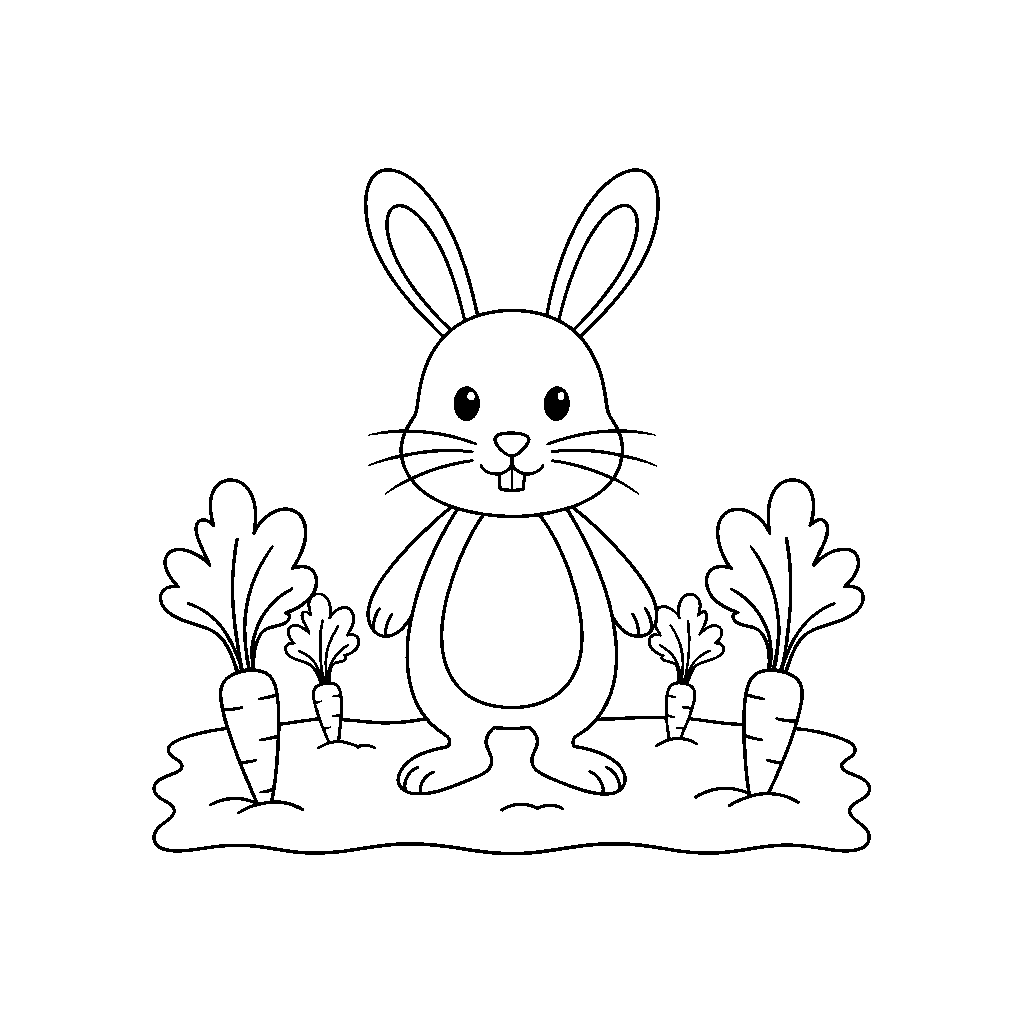
For example, you can have your child color a picture of a garden. Ask them to use primary colors for the flowers and then mix them to create secondary colors for leaves and backgrounds. This activity not only reinforces their understanding of primary and secondary colors but also enhances their creativity.
Primary vs. Secondary Colors
| Primary Colors | Secondary Colors |
|---|---|
| Red | Green (Yellow + Blue) |
| Blue | Orange (Red + Yellow) |
| Yellow | Purple (Red + Blue) |
How Can You Use Color Schemes in Coloring Pages?
Color schemes can help children choose colors that look good together. There are several types of color schemes, including monochromatic, complementary, analogous, and triadic. You can teach your child about these schemes by using coloring pages from KidColoro's free coloring pages.
For instance, you can select a coloring page featuring a flower and ask your child to use an analogous color scheme by coloring the flower petals with colors that are next to each other on the color wheel. This will help them understand how colors complement each other and create visual harmony.
Examples of Color Schemes
- Monochromatic: Different shades of a single color.
- Complementary: Colors opposite each other on the color wheel.
- Analogous: Colors next to each other on the color wheel.
- Triadic: Three colors evenly spaced around the color wheel.
What Are Some Fun Color Theory Activities for Kids?
Engaging your child in fun activities can make learning about color theory enjoyable. Here are some ideas you can implement during coloring sessions:
- Color Mixing Station: Set up a station with primary colors and let children experiment with mixing to create secondary colors.
- Color Scavenger Hunt: Ask your child to find objects around the house or outside that match specific colors from the color wheel.
- Art Collage: Use magazine cutouts of different colors and have your child create a collage based on a specific color scheme.
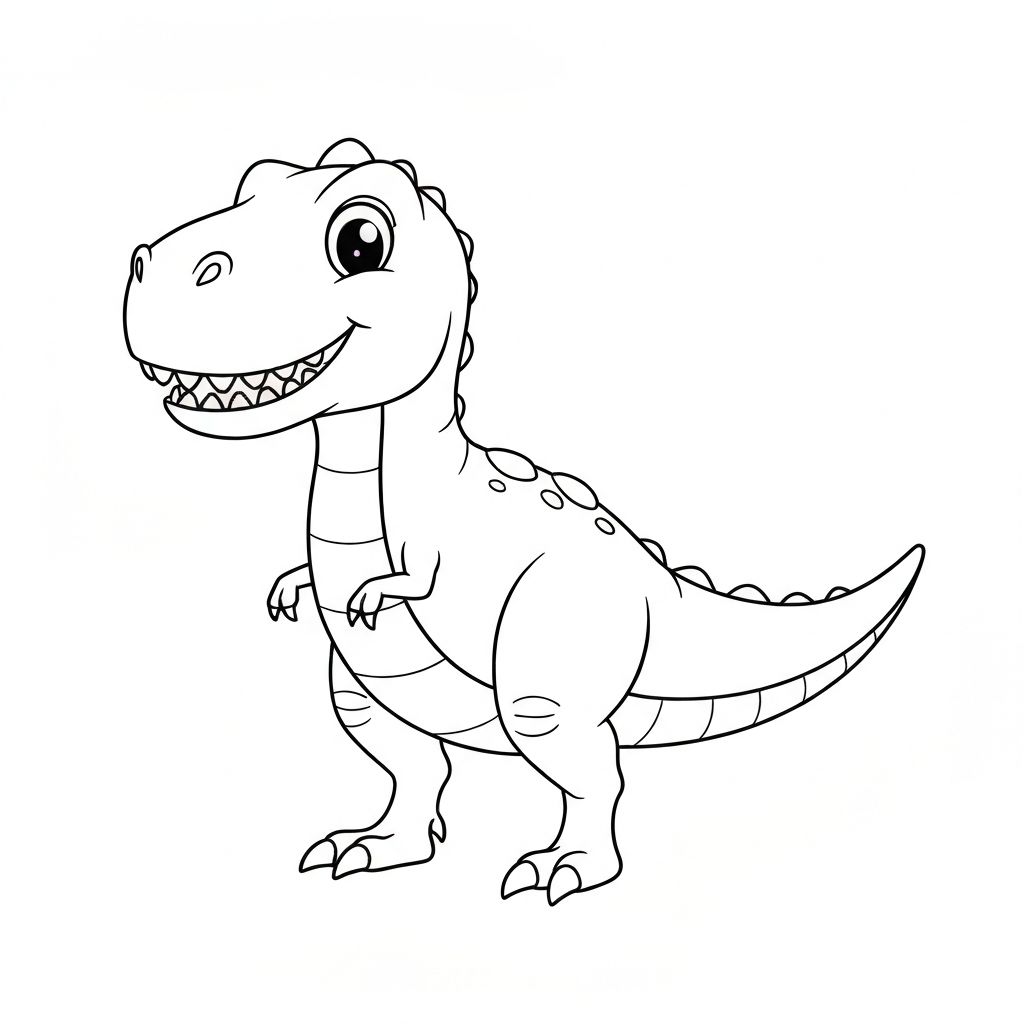
These activities not only reinforce color theory but also develop fine motor skills and creativity. For more coloring inspiration, check out our dinosaurs coloring pages!
How Does Color Influence Emotions in Children?
Colors have a profound impact on emotions and can influence a child's mood. For example, warm colors like red and yellow can evoke feelings of happiness and energy, while cool colors like blue and green can create a sense of calmness. By discussing these associations with your child, you can help them understand how colors can affect their feelings.
Encourage your child to choose colors based on how they want to feel while coloring. If they want to create a cheerful piece, they might choose bright yellows and oranges. If they want a serene scene, blues and greens would be more appropriate. This practice not only teaches them about color theory but also helps them express their emotions through art.
Frequently asked questions
How can I teach my child color theory?
You can teach your child color theory by introducing them to the color wheel and basic concepts like primary and secondary colors. Engage them in hands-on activities, such as mixing colors and using color schemes in their coloring pages.
What are some activities to reinforce color theory?
Activities like color mixing stations, scavenger hunts for different colors, and creating art collages can reinforce color theory concepts. These fun, interactive sessions will help your child understand color relationships better.
Why is color choice important for kids?
Color choice is important for kids as it enhances their creativity and allows them to express their emotions. Understanding color relationships also helps them make informed decisions in their artistic endeavors.
How does color impact a child's mood?
Colors can significantly impact a child's mood. For example, warm colors like red can energize, while cool colors like blue can soothe. Discussing these effects can help children relate colors to their feelings and decisions.
Where can I find coloring pages to practice color theory?
You can find a variety of free coloring pages on KidColoro, featuring different themes like animals, flowers, and more, perfect for practicing color theory.
Introducing your child to color theory through coloring activities enriches their creative experience while fostering essential developmental skills. By exploring colors, their relationships, and emotional impacts, you're not just enhancing their artistic abilities but also supporting their overall growth. Visit KidColoro for a wide selection of free coloring pages that will inspire your child's creativity and help them apply their newfound understanding of color theory!