How flower coloring pages can enhance your child's learning
Explore how flower coloring pages boost creativity, motor skills, and nature knowledge in kids.

Table of contents
- How do flower coloring pages enhance creativity?
- Why are flower coloring sheets beneficial for motor skills?
- How can flower coloring pages teach colors and shapes?
- What role do flower coloring pages play in emotional development?
- How can flower coloring pages promote learning about nature?
- Where can I find free flower printable coloring pages?
Flower coloring pages can greatly enhance your child's learning experience in engaging and fun ways! As a parent or educator, you want to provide your children with the tools they need to grow and thrive. Coloring is a wonderful way for them to explore and learn. These activities not only spark creativity but also offer numerous developmental benefits.
This article explores how flower coloring pages can boost various learning aspects for your child. From enhancing creativity to introducing the wonders of nature, these flower coloring sheets will captivate your little ones while providing valuable lessons along the way.
How do flower coloring pages enhance creativity?
Engaging with flower coloring pages allows children to express their creativity in unique ways. When kids choose colors, they learn about aesthetics and personal preference, which are key components of creative thinking. This freedom to choose colors and patterns helps imagination flourish.
Encouraging Unique Interpretations
Every child has a different perspective. For example, when coloring a Giraffe Sniffing Daisies page, one child might choose vibrant pinks and yellows while another opts for calming blues and greens. This diversity in choices encourages children to appreciate different viewpoints and develop their unique artistic styles.
- Provide a variety of coloring tools (markers, colored pencils, and crayons) to expand creative options.
- Encourage discussions about color choices to help children articulate their creative decisions.
- Host mini art exhibitions at home to celebrate their artwork.
Discover Our Coloring Pages


Why are flower coloring sheets beneficial for motor skills?
Coloring is not just about fun; it's also vital for developing fine motor skills. When children color, they practice hand-eye coordination and dexterity. This is especially important for younger children who are still mastering their movements.
Strengthening Hand Muscles
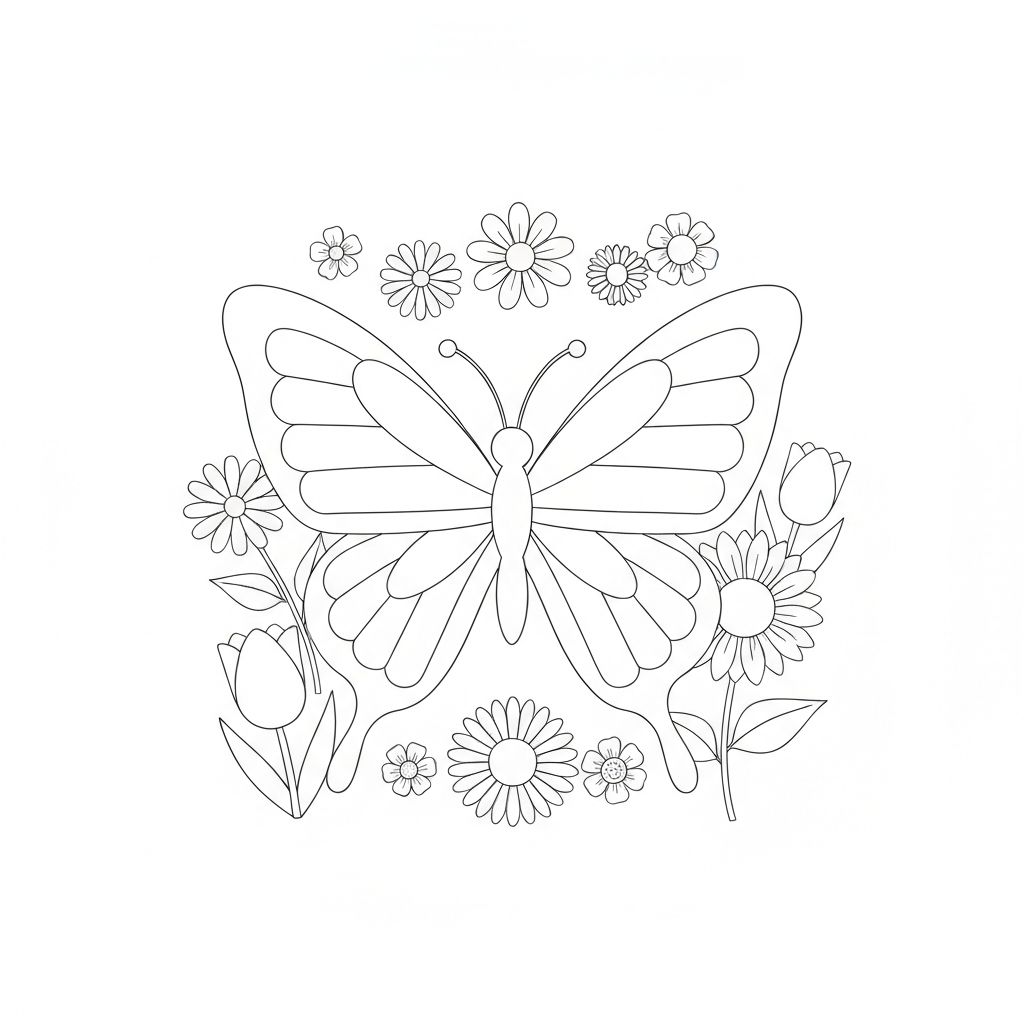
Using various coloring tools builds strength in hand muscles. For instance, while coloring a detailed page like Butterfly Friends on Stalks, children must control their hand movements to stay within the lines. This control helps them develop the skills needed for more complex tasks, such as writing.
- Set aside a dedicated coloring time each week to make it a consistent practice.
- Introduce tracing activities that involve flowers to further enhance coordination.
- Use flower coloring pages with intricate designs to challenge motor skills as they advance.
How can flower coloring pages teach colors and shapes?
Coloring flower pages is an excellent way for children to learn about colors and shapes. As they color different flowers, they can identify and name colors, which supports their vocabulary development. The diverse shapes of flowers can also introduce concepts like symmetry and patterns.
Interactive Learning Opportunities
For example, while coloring a page featuring various flowers, you can point out the shapes of petals and leaves. Ask questions like, "What color is this petal?" or "Can you find a circle in this flower?" This interactive dialogue helps reinforce their understanding of colors and shapes while keeping them engaged.
- Use colorful flower pages to teach primary and secondary colors through mixing.
- Incorporate shape recognition by discussing the different shapes found in flowers.
- Use flower coloring pages as a springboard for art projects that involve creating their own flower designs.
What role do flower coloring pages play in emotional development?
Coloring can be a therapeutic activity that helps children express their feelings. Flower coloring pages provide a safe outlet for emotions, allowing kids to color based on how they feel. For instance, bright colors might reflect happiness, while darker shades might indicate sadness.
Fostering Emotional Expression
Encouraging your child to choose colors that represent their feelings can lead to meaningful conversations. Using a coloring page like Mystical Lotus with Floating Fish, you can ask your child, "What does this flower make you feel?" This not only promotes emotional intelligence but also strengthens your bond.
- Introduce mindfulness coloring sessions where children can focus on their feelings as they color.
- Encourage sharing stories about their color choices to build communication skills.
- Provide a quiet, comfortable space for coloring to enhance relaxation.
How can flower coloring pages promote learning about nature?
Flower coloring pages can serve as an excellent introduction to botany and the natural world. By coloring different types of flowers, children can learn about various species, their habitats, and their roles in the ecosystem. This activity fosters a love for nature and raises awareness about environmental conservation.
Exploring the Natural World
When coloring a page like Bee on a Lavender Adventure, you can discuss the importance of bees in pollination and how flowers contribute to our ecosystem. This type of dialogue enhances their understanding of biology while making the learning process enjoyable.
- Take nature walks to observe real flowers and discuss their colors and shapes.
- Incorporate books about flowers and nature to enrich their learning experience.
- Create a flower scrapbook with colored pages and real flower samples to combine art and science.
Where can I find free flower printable coloring pages?
You can easily find a variety of free flower printable coloring pages on KidColoro. Our extensive collection includes various designs suitable for different age groups and skill levels. Whether your child prefers whimsical designs or more realistic flower illustrations, there's something for everyone!
Some popular options include:
Visit our website today to start exploring our collection of free flower coloring pages and spark your child's creativity!
Frequently Asked Questions
How do flower coloring pages support learning?
Flower coloring pages support learning by enhancing creativity, motor skills, color recognition, emotional expression, and knowledge about nature. They provide a fun and interactive way to engage kids in various educational concepts.
Can coloring improve my child's focus?
Yes! Coloring requires concentration and attention to detail, which can help improve your child's focus over time. As they engage in this activity, they'll practice staying on task and following through with a project.
Are there specific benefits for toddlers when coloring flowers?
Yes, flower coloring pages can greatly benefit toddlers by enhancing their fine motor skills, promoting color recognition, and fostering creativity. The act of coloring itself helps them develop hand-eye coordination and control.
What materials are best for coloring pages?
Using a variety of materials, such as crayons, colored pencils, and markers, can enhance the coloring experience. Each medium offers a different texture and finish, allowing children to explore their artistic preferences.
How often should my child color?
Setting aside regular coloring time, such as once or twice a week, can help reinforce the benefits of coloring. Consistency allows children to improve their skills and enjoy the therapeutic aspects of this activity.
Flower coloring pages are more than just a fun activity; they are a powerful tool for enhancing your child's learning. By incorporating these engaging flower coloring sheets into your child's routine, you can foster creativity, improve motor skills, and promote emotional development. Visit KidColoro today to explore our extensive collection of free flower printable coloring pages and start enriching your child's learning experience!