How coloring pages support language development in toddlers
Discover how coloring pages can enhance your toddler's language skills through engaging activities.

Table of contents
- How do coloring pages enhance vocabulary?
- Can coloring pages improve comprehension skills?
- How does coloring stimulate conversation?
- What role do coloring pages play in storytelling?
- How can parents use coloring pages for language development?
- What are the best coloring pages for language skills?
Coloring pages are more than just a fun pastime for little ones; they're a fantastic, interactive tool for fostering early childhood development. For toddlers, engaging with coloring activities offers a playful pathway to significant gains in their language development. From expanding vocabulary to sparking imaginative conversations, these simple pages hold immense educational value. Let's explore how coloring pages can become a cornerstone for building strong communication skills in your child.
How do coloring pages enhance vocabulary?
Coloring pages support language development in toddlers by significantly enhancing their vocabulary. Engaging with coloring pages allows children to learn new words while they express their creativity. As parents and educators, introducing coloring pages that include various themes—like animals, vehicles, or food—can help expand a child's vocabulary.
For instance, when a child colors a Submarine Exploring Colorful Coral, they can learn terms related to marine life and underwater exploration. Encourage your child to describe what they see in the coloring page, thus reinforcing their understanding of new words.
Practical tips to enhance vocabulary with coloring pages
- Select coloring pages with specific themes to introduce related vocabulary.
- Ask open-ended questions about the pictures to stimulate conversation.
- Encourage storytelling based on the characters or objects in the coloring pages.
Discover Our Coloring Pages

Can coloring pages improve comprehension skills?
Coloring pages can significantly improve toddlers' comprehension skills as they connect visual information with verbal language. When children engage with a coloring page, they often process the colors, shapes, and subjects, which aids in understanding context and meaning.
For example, while coloring a page featuring a Silly Monkey Swinging from Branches, parents can explain the behavior of monkeys, their habitats, and other related facts. This not only helps with comprehension but also makes learning enjoyable.
Ways to boost comprehension through coloring
- Discuss the story behind the colors and characters as your child colors.
- Utilize coloring pages that have accompanying stories or descriptions.
- Incorporate follow-up questions about the coloring page to reinforce understanding.
How does coloring stimulate conversation?
Coloring pages provide a perfect opportunity for parents and toddlers to engage in meaningful conversations. As children color, they often express their thoughts and feelings about the colors they choose, the characters they create, and the stories they imagine.
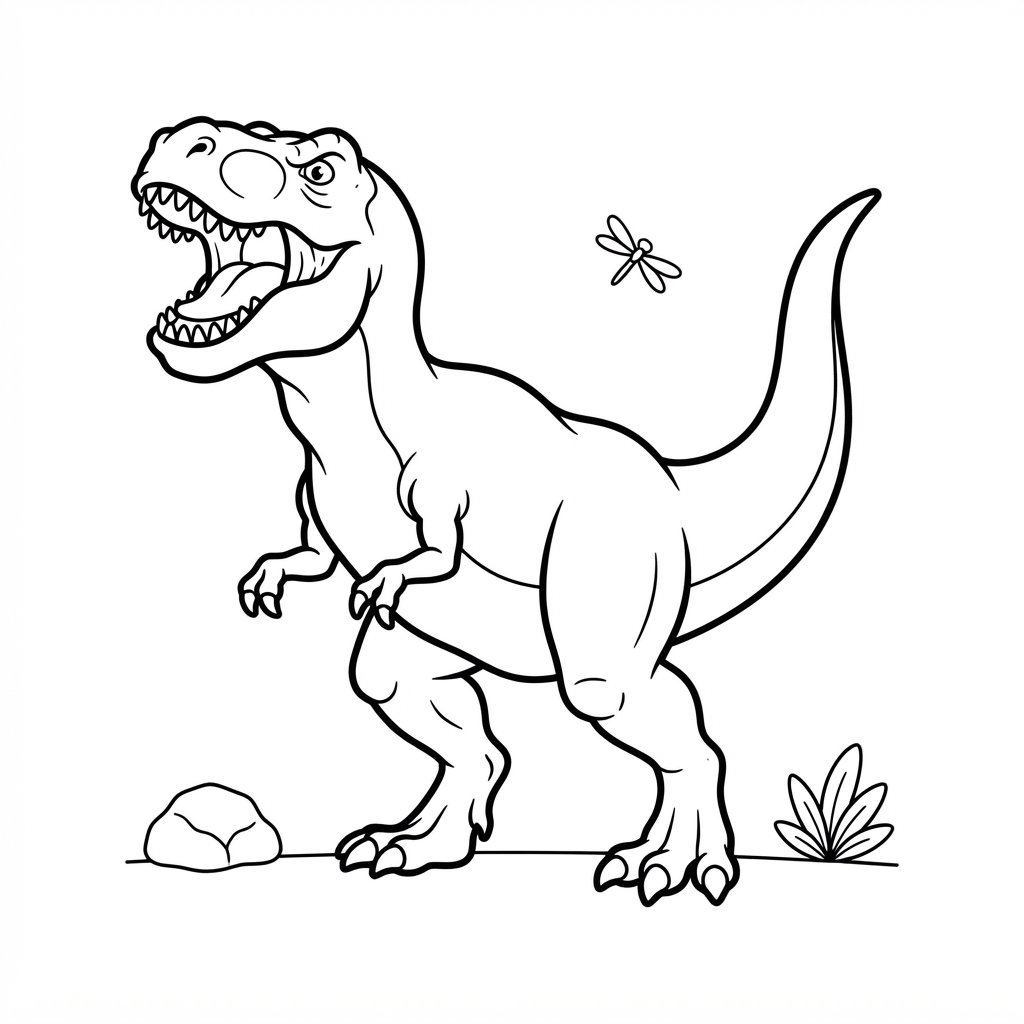
For instance, using a coloring page of a T-Rex Digging for Treasure, a child may talk about dinosaurs, treasure hunting, or even share their own imaginative stories. This dialogue not only strengthens their language skills but also builds a deeper bond between parent and child.
Encouraging conversation during coloring sessions
- Start discussions based on the colors and themes as your child colors.
- Share your thoughts about the pictures to model conversational skills.
- Encourage your child to ask questions and express their ideas freely.
What role do coloring pages play in storytelling?
Coloring pages can be an excellent tool for storytelling, which is fundamental for language development. As toddlers engage with a coloring page, they create narratives in their minds, which enhances their storytelling abilities.
For example, when coloring a page featuring a Gothic Cathedral with Stained Glass, children can invent stories about the history of the cathedral, the people who visit it, or even imaginary characters that live inside. This practice not only nurtures creativity but also aligns with language development goals.
Using coloring pages to inspire storytelling
- Encourage your child to create a story based on the coloring page.
- Ask them to narrate their story while they color.
- Introduce related themes or characters to expand their narrative.
How can parents use coloring pages for language development?
Parents can effectively use coloring pages as a strategic tool for fostering language development in toddlers. By selecting engaging and educational coloring pages, parents can create a playful yet educational environment.
For example, utilizing a Whimsical Ants Marching Along coloring page can spark discussions about teamwork, nature, and even the life cycle of ants, all while your child enjoys coloring. This interactive approach makes learning fun and memorable.
Actionable steps for parents
- Pick coloring pages that align with your child's interests to enhance engagement.
- Set aside regular coloring time to encourage routine and focus.
- Incorporate educational themes into your coloring sessions to enhance language skills.
What are the best coloring pages for language skills?
When selecting coloring pages to support language development, it's essential to choose those that are rich in themes and vocabulary. Here is a comparison of some excellent options:
| Coloring Page | Language Development Focus | Recommended Age |
|---|---|---|
| Silly Monkey Swinging from Branches | Animals, actions | 2-5 years |
| T-Rex Digging for Treasure | Dinosaurs, adventure | 3-6 years |
| Submarine Exploring Colorful Coral | Marine life, exploration | 4-7 years |
| Gothic Cathedral with Stained Glass | Architecture, history | 5-8 years |
Choosing the right coloring pages
When selecting coloring pages, consider your child's interests and the vocabulary you wish to introduce. This targeted approach can maximize the impact of coloring on language development.
Frequently asked questions
How do coloring pages improve language skills?
Coloring pages improve language skills by introducing new vocabulary, stimulating conversation, and encouraging storytelling. As children engage with the images, they learn to articulate their thoughts and enhance their comprehension.
What age is best for introducing coloring pages for language development?
While toddlers can begin coloring as early as age two, the best age for focusing on language development through coloring pages is between two and six years. At this stage, children are rapidly developing their language skills, making it an ideal time to introduce themed coloring pages.
Can coloring pages help with speech development?
Yes, coloring pages can aid speech development by providing opportunities for children to practice pronouncing new words and expressing their thoughts. Engaging in dialogue about the coloring pages also encourages conversational skills.
How can parents make coloring sessions educational?
Parents can make coloring sessions educational by selecting themed pages that introduce new vocabulary, asking open-ended questions, and encouraging storytelling based on the pictures. This interactive approach transforms coloring into a valuable learning experience.
Are there specific coloring pages that are better for language development?
Yes, coloring pages that feature diverse themes, such as animals, vehicles, and nature, are particularly effective for language development. These themes provide rich vocabulary opportunities and stimulate discussions, making them ideal for young learners.
Conclusion
Coloring pages are more than just a fun activity; they are a powerful tool for supporting language development in toddlers. By choosing the right pages and engaging in meaningful conversations, parents and educators can significantly enhance a child's vocabulary, comprehension, and storytelling abilities. To explore a wide variety of free coloring pages tailored for young learners, visit KidColoro today!