How coloring enhances fine motor skills in young children
Discover how coloring activities help children develop fine motor skills and creativity.

How Coloring Enhances Fine Motor Skills in Young Children
Parents and educators often look for activities that both entertain and educate. Coloring is a perfect example – it's fun, engaging, and incredibly beneficial for development. At KidColoro's free coloring pages, we offer a huge variety of options designed to spark imagination, from animals and vehicles to fantasy and nature. This article will explore how coloring significantly boosts fine motor skills in young children, why these skills are so crucial, and simple ways to make coloring a regular part of your child's day.
The Importance of Fine Motor Skills
What exactly are fine motor skills? They're the precise, small movements of the hands and fingers – the kind needed for everyday tasks like writing, buttoning a shirt, or using a fork. These essential skills develop throughout childhood, laying the groundwork for independence and overall growth. We can break them down into two key components: dexterity and hand-eye coordination.
Dexterity is all about manipulating objects with precision – think drawing, cutting with scissors, or even playing a simple instrument. It's a vital skill as children explore more complex activities. Hand-eye coordination, meanwhile, is the ability to synchronize what your eyes see with what your hands do. This is especially critical for learning to write, where children need to guide their hand movements based on what they're seeing on the page.
Discover Our Coloring Pages

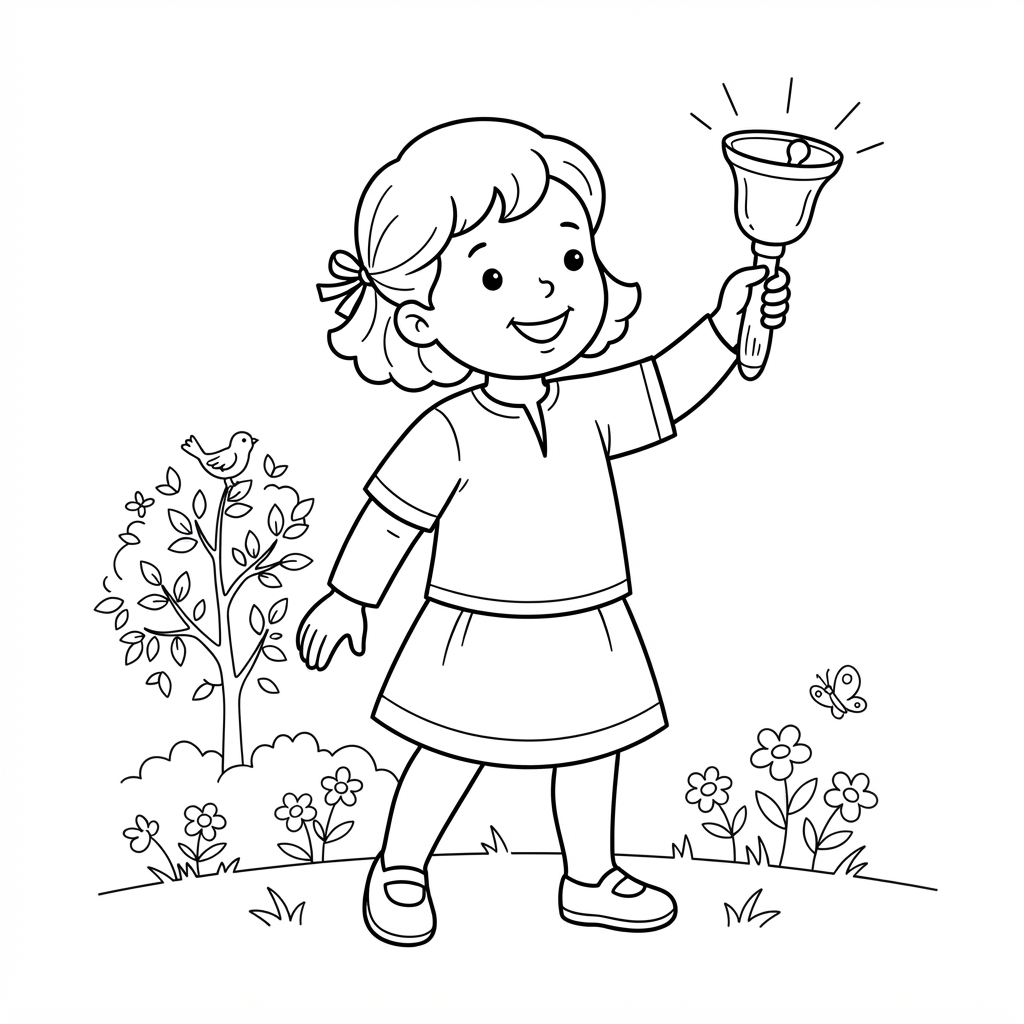
How Coloring Develops Fine Motor Skills
Coloring isn't just fun – it's a powerful workout for developing fine motor skills in young children. Every time they pick up a crayon, marker, or colored pencil, they're practicing the grip and control that are fundamental for future writing success. Let's look at some specific ways coloring builds these crucial skills:
- Grip Strength: The simple act of holding a crayon or marker naturally builds grip strength. Children learn to apply just the right amount of pressure – a skill that's absolutely critical when they transition to holding a pencil for writing.
- Control and Coordination: Staying within the lines (or even trying to!) helps children practice precise hand movements and sharpens their hand-eye coordination. This control is vital for countless everyday tasks, from pouring juice to stacking blocks.
- Finger Dexterity: Coloring encourages children to use their individual fingers to manipulate tools, boosting their dexterity. Consistent practice helps them gain better independent finger control, making tasks like tying shoes or picking up small objects much easier.
Practical Tips for Encouraging Coloring
To truly nurture fine motor skills through coloring, create an inviting and supportive space. Here are some practical tips for parents and educators:
- Provide a Variety of Tools: Offer a diverse range of coloring tools: crayons, markers, colored pencils, and even watercolors. Each tool helps develop different skills – crayons build grip strength, while watercolors refine control and gentle pressure.
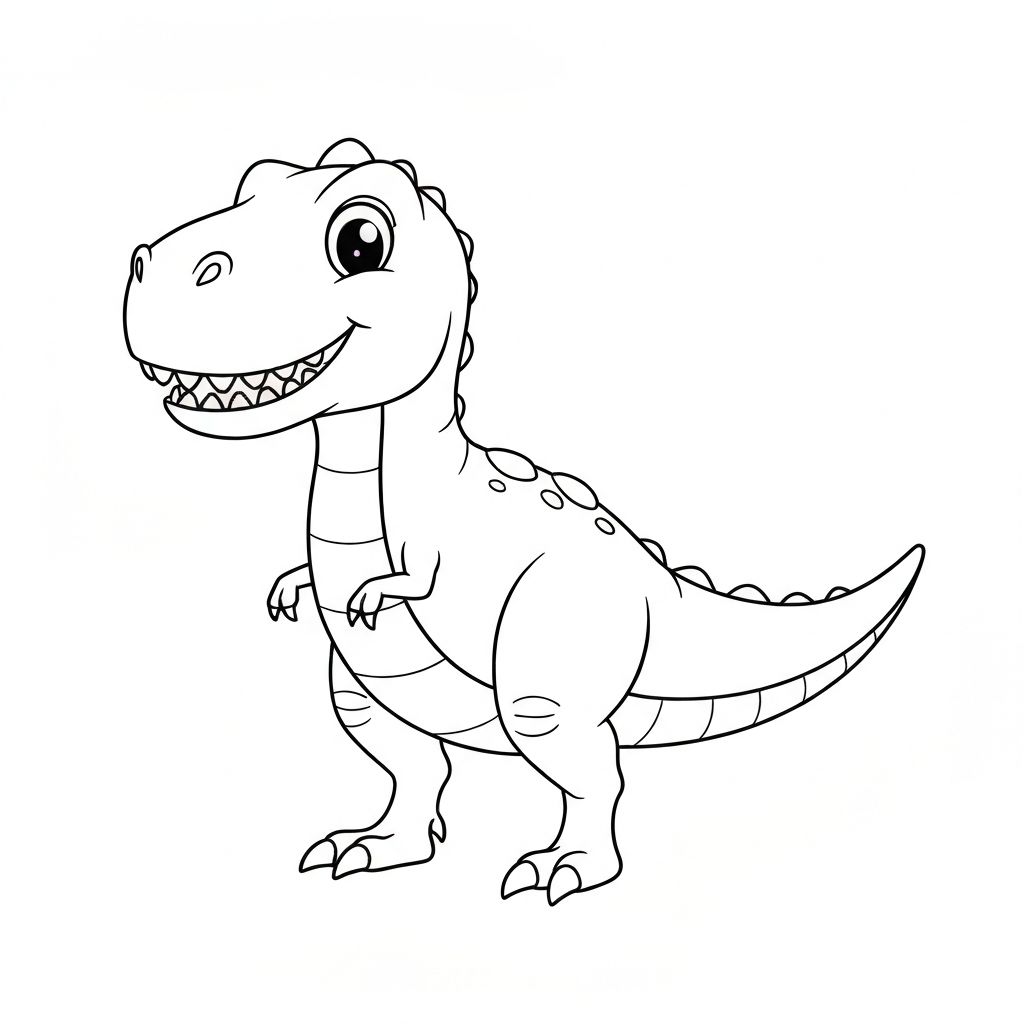
- Choose Age-Appropriate Pages: Choose coloring pages that suit your child's developmental stage. Younger children thrive with simpler designs, like our Friendly Dinosaur or Dancing Spaghetti with Meatballs. As their skills grow, gradually introduce more intricate patterns.
- Set Up a Coloring Station: Create a dedicated coloring station – a comfortable, distraction-free spot. Stock it with a rotating selection of coloring pages from KidColoro's diverse categories to keep inspiration flowing.
Coloring Activities That Foster Fine Motor Skills
Boost fine motor development even further with these fun and interactive coloring activities:
- Coloring Contests: Host friendly coloring contests! This encourages children to focus on detail, neatness, and precision, all while boosting their dexterity and confidence.
- Theme-Based Coloring Days: Plan theme-based coloring days. Explore topics like Sweet Halloween Treats or a bustling City Scene. This makes coloring more exciting and offers a playful way to learn about different subjects.
- Interactive Coloring Books: Utilize interactive coloring books that include tracing or connect-the-dots activities. These tasks demand careful movement control, significantly refining motor skills.
Integrating Coloring into Daily Routines
To truly maximize the fine motor benefits of coloring, weave it into your child's daily routine. Here are some simple ways to make it a regular habit:
- Daily Coloring Time: Designate a consistent daily coloring time. Whether it's a quiet moment after school or before dinner, regular practice is key to developing and refining those crucial motor skills.
- Combine with Storytelling: Pair coloring with storytelling. Encourage your child to color scenes from their favorite books. This sparks imagination and provides a wonderful opportunity to practice fine motor skills while engaging with literature.
- Color and Discuss: Chat while they color! Ask your child about their creations. This not only boosts verbal skills but also encourages deeper focus and engagement with their coloring activity.
Conclusion: Embrace the Power of Coloring
Coloring is far more than just a fun pastime – it's a powerful and accessible tool for nurturing fine motor skills in young children. By offering a diverse range of coloring tools, age-appropriate pages, and engaging activities, parents and educators can beautifully support a child's development while fostering their creativity. We warmly invite you to explore KidColoro's extensive collection of free coloring pages. Discover a wide variety of options to help your child enhance their skills and express themselves. Remember, consistency and encouragement are the cornerstones of successful development, so make coloring a cherished and regular part of your child's routine!