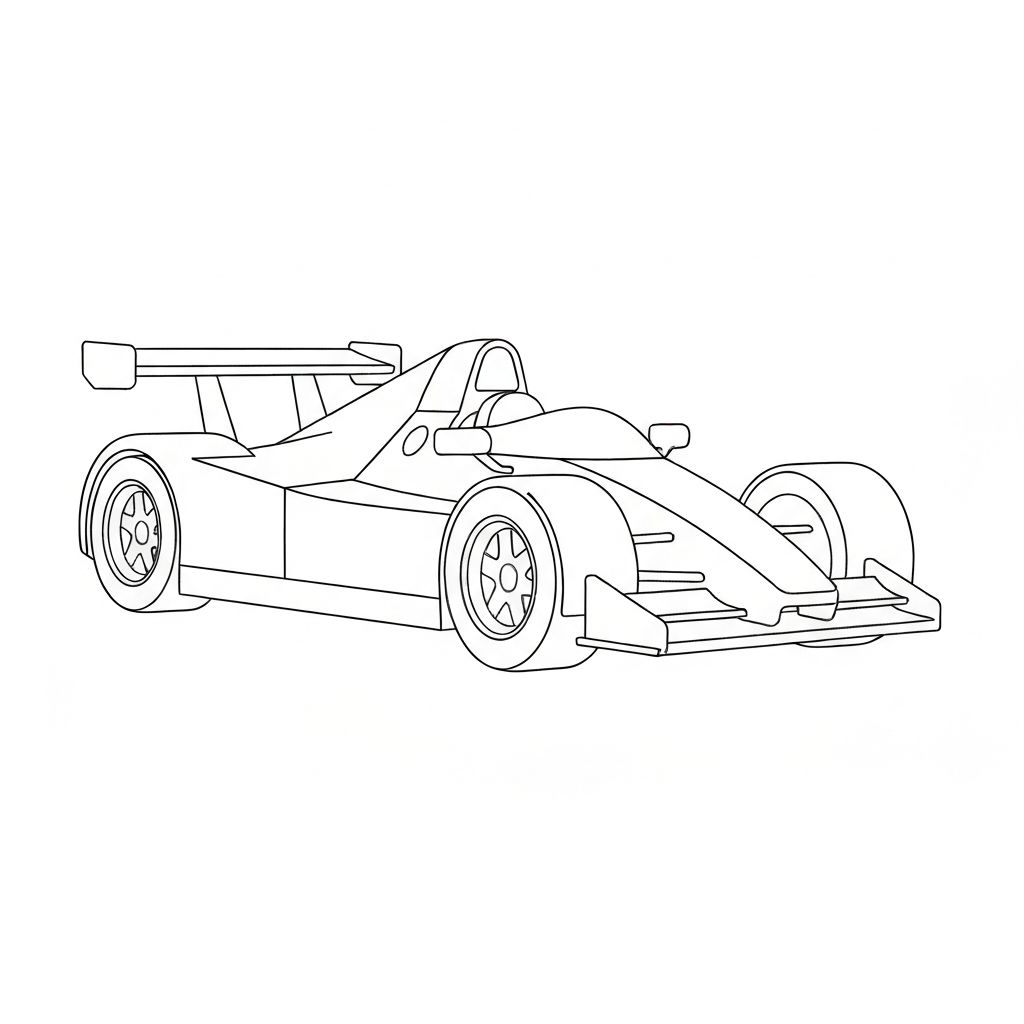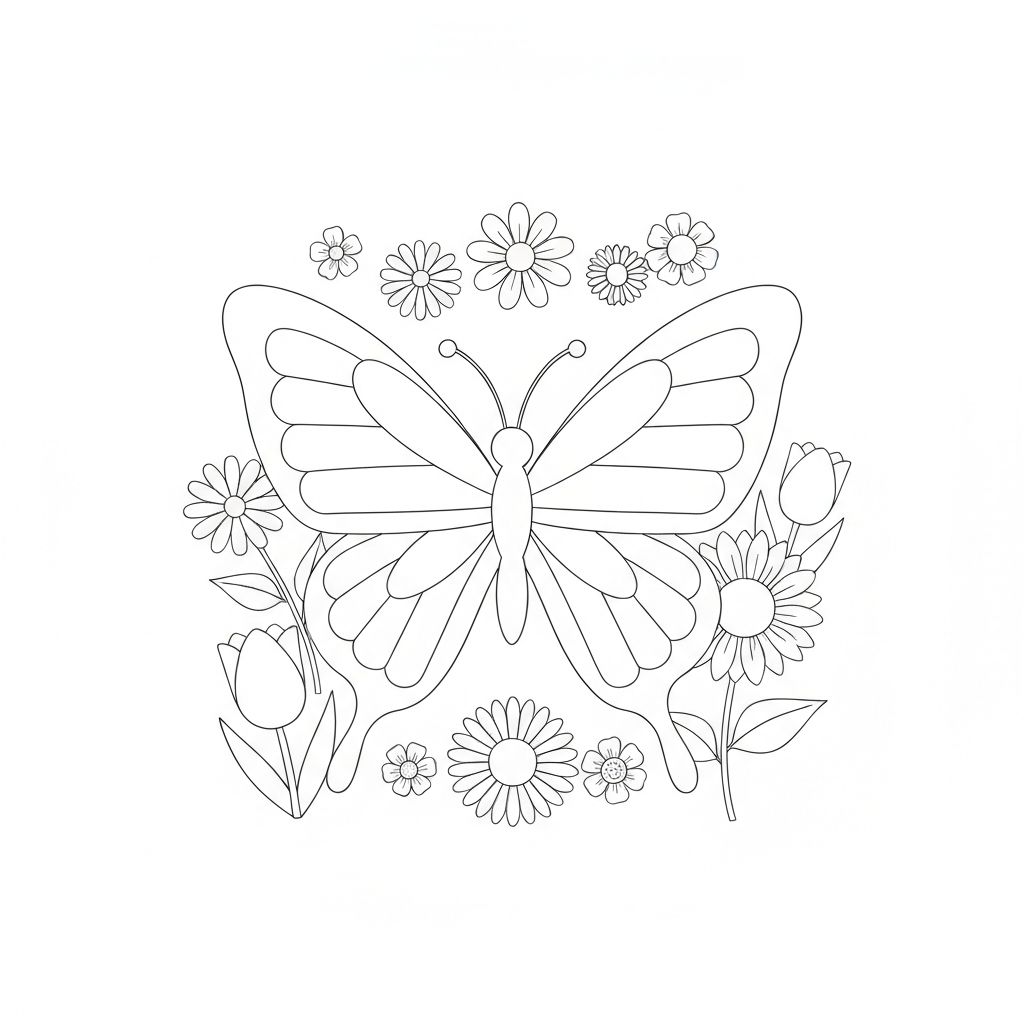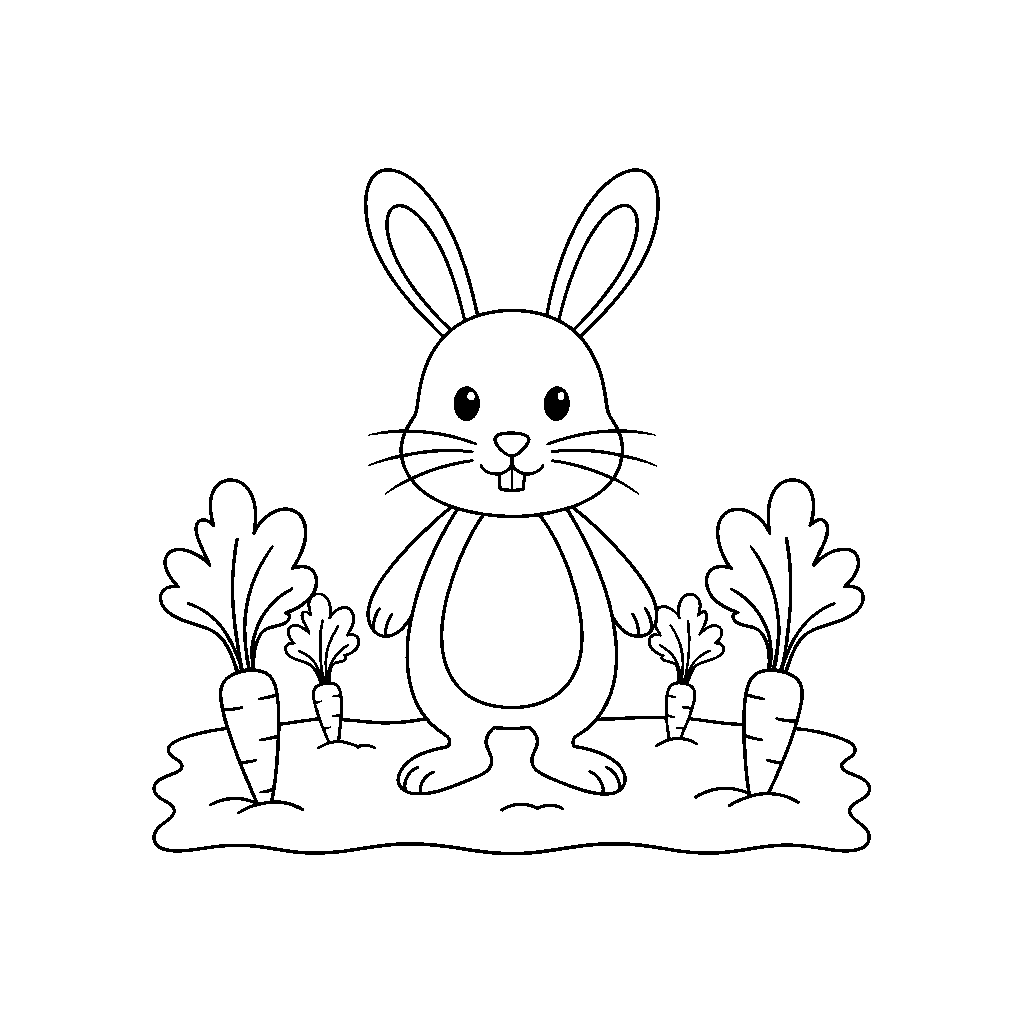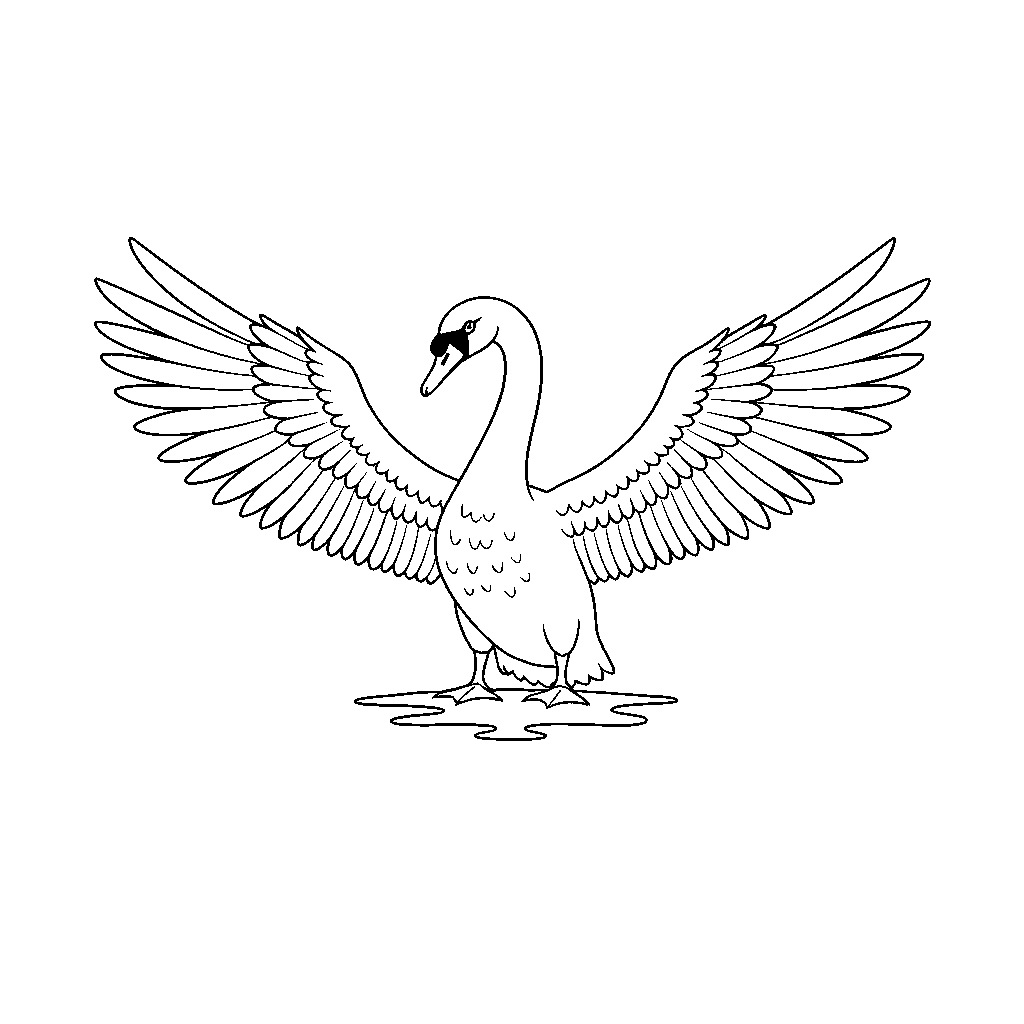
How coloring boosts fine motor skills in preschoolers
Discover how coloring activities help children develop fine motor skills and creativity.
Table of contents
- How does coloring help toddlers develop motor skills?
- What are fine motor skills?
- How does coloring enhance hand-eye coordination?
- Can coloring improve grip strength?
- What role does creativity play in motor skills development?
- How can parents encourage coloring at home?
- What are some recommended coloring activities for preschoolers?
How does coloring help toddlers develop motor skills?
Coloring boosts **fine motor skills in preschoolers**, making it an important activity for their growth. As a parent or educator, understanding how this simple yet powerful activity helps can guide you in supporting your child's development. Engaging in coloring not only entertains children but also gives them key skills for daily activities.
When children grasp crayons or colored pencils and move them across the page, they practice coordination and control. These are basic parts of **fine motor skill development**. Making coloring a regular part of their day gives them a chance to strengthen these skills in a fun and engaging way.
Discover Our Coloring Pages

What are fine motor skills?
**Fine motor skills** are the small movements that involve the coordination of hands and fingers. These skills are important for tasks like writing, buttoning shirts, and using utensils. For preschoolers, fine motor skills are still developing, making activities like coloring key for their development.
Typically, fine motor skills can be categorized into several key areas:
- Grasping: The ability to hold objects securely.
- Manipulation: The ability to move objects with dexterity.
- Coordination: The ability to use both hands together effectively.
Knowing these parts can help you pick the right activities to promote **fine motor skills** in your child. For instance, coloring uses both grasping and manipulation, making it a great way to build these abilities.
How does coloring enhance hand-eye coordination?
**Hand-eye coordination** is the ability to match what you see with what your hands do. This is important for many daily activities. When preschoolers color, they need to focus on the lines and shapes while moving their hands to fill in the colors. This really helps their **hand-eye coordination**.
Practical ways to improve hand-eye coordination through coloring
To further develop hand-eye coordination, consider the following activities:
- Use coloring pages with intricate designs that require precision.
- Incorporate various coloring tools, such as crayons, markers, and colored pencils, to challenge their grip and control.
- Encourage them to color in small areas and gradually increase the complexity of the designs.
These activities can make coloring a more rewarding experience and lead to better coordination skills over time.
Can coloring improve grip strength?
Yes, coloring can really improve **grip strength** in preschoolers. When children hold crayons or markers, they use the muscles in their hands and fingers, which helps build their grip strength. This is especially important because strong grip strength is needed for writing and other things they'll do later.
Tips to enhance grip strength through coloring
Here are some practical tips to help improve your child's grip strength while coloring:
- Choose thicker crayons or markers for younger children, as they are easier to hold.
- Encourage the use of different grips, such as the **tripod grip**, to vary their hand positioning.
- Offer activities that involve squeezing or pinching, like using a squishy toy or playdough, alongside coloring.
By adding these tips to your coloring sessions, you can help your child build a stronger grip while having fun.
What role does creativity play in motor skills development?
**Creativity** is closely linked to **fine motor skills development**. It encourages children to try out different colors, shapes, and designs while coloring. This not only boosts their artistic abilities but also helps their cognitive development, which is important for learning **fine motor skills**.
Encouraging creativity in coloring
To foster creativity in your child's coloring activities, consider the following approaches:
- Provide a variety of coloring materials, such as watercolors, colored pencils, and pastels.
- Encourage your child to create their own designs instead of sticking to pre-made coloring pages.
- Incorporate themes or stories into coloring sessions, such as coloring characters from their favorite **Characters** or scenes from nature.
These strategies not only boost their creativity but also help develop **fine motor skills** through diverse hand movements.
How can parents encourage coloring at home?
Encouraging coloring at home can be an enjoyable and effective way to boost your preschooler's **fine motor skills**. Here are some practical tips to make coloring a regular part of your child's routine:
- Designate a **specific coloring area** stocked with various supplies like crayons, markers, and paper.
- Set aside time each day for coloring, making it a fun and relaxing activity.
- **Engage with your child** by coloring together, discussing colors, and sharing stories about what they are creating.
By creating an inviting environment and making coloring a shared activity, you can inspire your preschooler to enjoy this helpful activity.
What are some recommended coloring activities for preschoolers?
There are plenty of engaging coloring activities you can add to your child's routine to help grow their **fine motor skills**:
- **Animal coloring pages** that depict various creatures, helping them learn while coloring.
- Coloring pages featuring their favorite **Characters** from books or movies to capture their interest.
- **Interactive coloring activities**, such as creating a color scavenger hunt where they find objects around the house to match their coloring.
These activities not only enhance fine motor skills but also make learning enjoyable for your preschooler.
Frequently asked questions
How does coloring help toddlers develop motor skills?
Coloring helps toddlers develop motor skills by encouraging them to use their hands and fingers to manipulate coloring tools, enhancing their coordination and control.
What are some benefits of coloring for preschoolers?
Coloring benefits preschoolers by improving their fine motor skills, boosting creativity, and enhancing hand-eye coordination, all essential skills for their development.
How often should my child color?
It's beneficial for your child to color regularly, ideally a few times a week. Consistent practice helps reinforce their skills and keeps them engaged in creative activities.
What materials are best for young children to color with?
For young children, thicker crayons and washable markers are best, as they are easier to hold and manipulate, promoting better grip and control.
Are there specific coloring pages that can aid in skill development?
Yes! Pages that require attention to detail, such as intricate designs or those that encourage creativity, can significantly aid in developing fine motor skills.
Conclusion
Coloring is not just a fun pastime for preschoolers; it's an important activity that boosts their **fine motor skills**, creativity, and **hand-eye coordination**. By making coloring a regular part of your child's routine, you can give them a strong start for future learning. Explore **KidColoro's free coloring pages** today and see your child's skills grow while they have fun!