How coloring activities can help children express their feelings
Discover how coloring helps kids express emotions and develop skills.
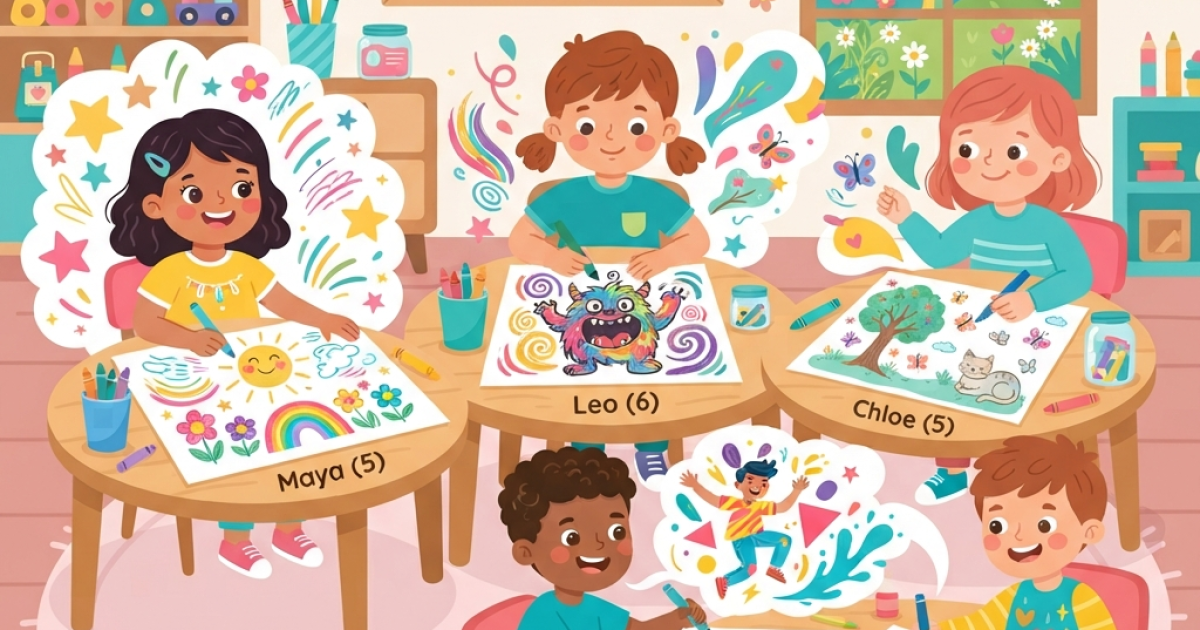
Table of contents
- How can coloring help children express their feelings?
- What are the emotional benefits of coloring for kids?
- How does coloring promote communication?
- What skills can children develop through coloring?
- How can parents encourage coloring at home?
- What types of coloring pages are beneficial?
- How can educators integrate coloring into the classroom?
How can coloring help children express their feelings?
Coloring activities can really help children express their feelings. As parents and educators, understanding children's emotions is important, and coloring serves as a powerful tool for this purpose. By engaging in coloring, children can visualize their emotions, translating complex feelings into vibrant colors and shapes.
When children color, they often choose colors that resonate with their feelings at that moment. For instance, a child who feels happy might choose bright colors like yellow or orange, while those experiencing sadness might opt for blues or grays. This method of expression not only allows children to articulate their emotions but also provides an avenue for parents and educators to understand their inner world better.
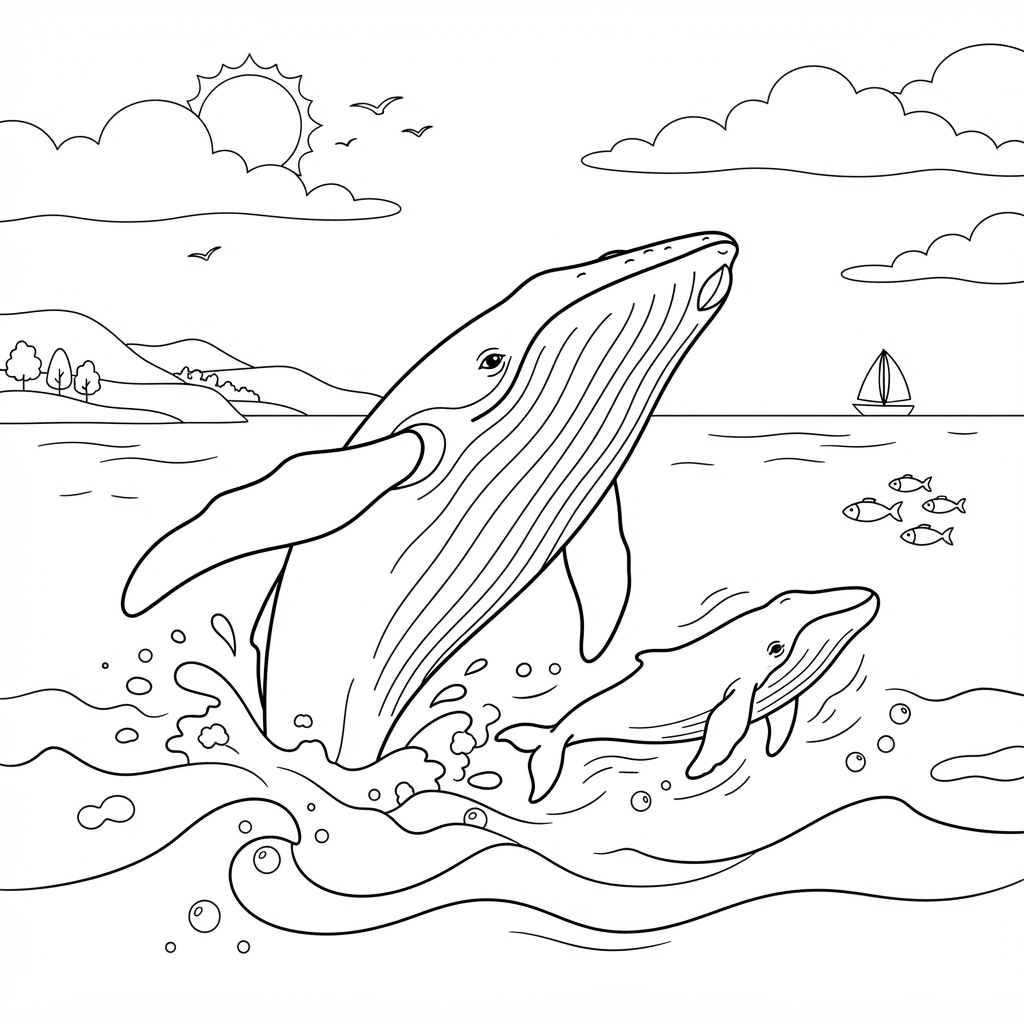
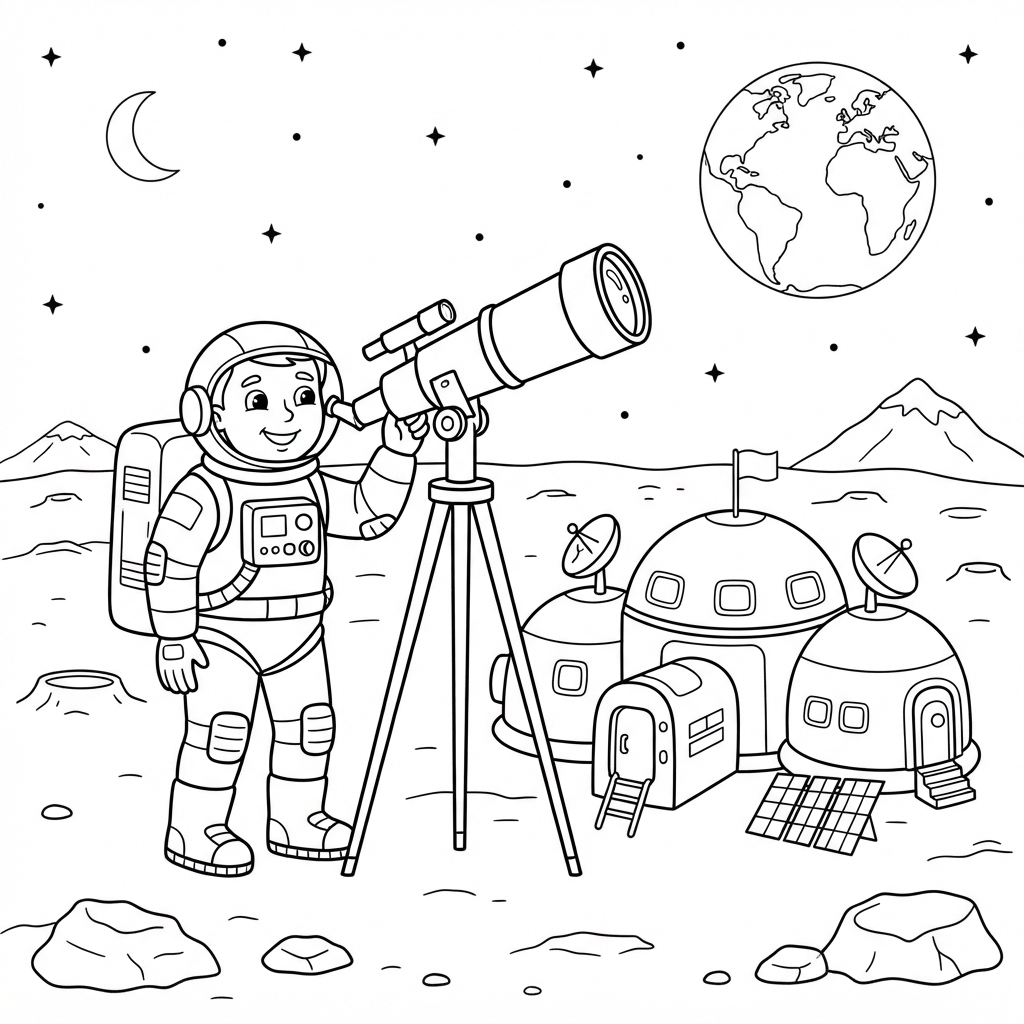
Discover Our Coloring Pages
What are the emotional benefits of coloring for kids?
Coloring offers many emotional benefits for children. Engaging in creative activities such as coloring can help reduce anxiety and stress. It provides a safe space for children to explore their feelings without judgment. When children immerse themselves in coloring, they often enter a meditative state, allowing them to focus and alleviate feelings of distress.
Emotional Regulation
Coloring can also aid in emotional regulation. By selecting colors and creating patterns, children learn to manage their feelings effectively. For example, if a child is upset, the act of coloring can serve as a coping mechanism, helping them process their emotions and calm down.
- Encourages relaxation: Coloring can lower cortisol levels, helping kids feel more at ease.
- Builds self-esteem: Completing a coloring page can instill a sense of accomplishment.
- Fosters creativity: Children can express their unique perspectives and emotions through their artwork.
How does coloring promote communication?
Coloring can serve as a bridge for communication between children and adults. When children present their finished coloring pages, they often share stories or feelings related to their art. This dialogue can reveal their inner thoughts and emotions, enriching the parent-child relationship.
Encouraging Conversations
To promote communication through coloring, parents can ask open-ended questions about the child's artwork. For instance, instead of simply praising the colors used, a parent might ask, "What inspired you to choose these colors?" This approach invites children to articulate their feelings and thoughts, enhancing their verbal skills and emotional expression.
What skills can children develop through coloring?
Coloring is not just about fun; it also helps children develop a range of essential skills. These include fine motor skills, hand-eye coordination, and cognitive development. As children manipulate crayons, markers, or colored pencils, they strengthen the small muscles in their hands, which are important for writing and other tasks.
Fine Motor Skills Development
Fine motor skills are important for daily activities such as dressing, eating, and writing. Coloring activities help children practice these skills as they grasp and control the writing instruments. For example, using different coloring tools can enhance their dexterity and grip.
- Improved coordination: As children color within the lines, they enhance their hand-eye coordination.
- Cognitive development: Coloring requires decision-making skills, such as color selection and pattern creation.
- Focus and attention: Completing a coloring page helps children practice concentration and attention to detail.
How can parents encourage coloring at home?
Encouraging coloring at home can be simple and rewarding. Here are some practical tips for parents:
- Create a coloring space: Designate a comfortable area with good lighting and easy access to coloring materials.
- Provide a variety of materials: Offer different types of coloring tools, such as crayons, markers, and colored pencils, to spark creativity.
- Include themed coloring pages: Use KidColoro's free coloring pages to provide children with exciting themes that inspire them.
What types of coloring pages are beneficial?
Choosing the right coloring pages can enhance the emotional and creative experience for children. Here are some categories of coloring pages that can be particularly beneficial:
| Coloring Page Category | Benefits |
|---|---|
| Nature | Encourages exploration and appreciation of the environment. |
| Characters | Allows children to connect with their favorite stories and heroes. |
| Fantasy | Stimulates imagination and creativity, allowing for personal storytelling. |
How can educators integrate coloring into the classroom?
Educators can use coloring activities as a valuable tool in the classroom setting. Integrating coloring into lessons can provide a break from traditional learning while still promoting educational outcomes.
Coloring as a Learning Tool
One effective approach is to use coloring pages that align with classroom themes. For instance, if the lesson focuses on animals, educators can assign coloring pages featuring various creatures. This not only reinforces the lesson but also allows students to express their understanding creatively.
- Use coloring for relaxation: Incorporate short coloring breaks during lessons to help students refocus.
- Encourage group coloring projects: Foster collaboration and teamwork through shared coloring activities.
- Assess understanding: Use completed coloring pages as a means to gauge students' comprehension of subjects.
Frequently asked questions
How does coloring help children process their emotions?
Coloring allows children to visualize their feelings, making it easier for them to understand and articulate complex emotions. By expressing these emotions through colors and patterns, children can process what they are feeling in a safe and constructive manner.
What types of coloring pages are best for emotional expression?
Coloring pages that feature themes related to nature, characters, or fantasy can be beneficial. These themes allow children to connect emotionally, encouraging them to express their feelings while engaging in creative activities.
Can coloring improve my child's focus?
Yes, coloring can significantly improve a child's focus and attention span. The process of selecting colors and staying within lines requires concentration, helping children develop the ability to focus on tasks better.
How often should my child color?
Encouraging regular coloring sessions, such as a few times a week, can provide children with consistent emotional expression and skill development opportunities. The frequency can vary based on the child's interest and schedule.
Is there scientific support for the benefits of coloring?
Yes, numerous studies have shown that creative activities like coloring can reduce stress and anxiety while enhancing fine motor skills and emotional intelligence. It is a well-acknowledged practice in child development.
Conclusion
Coloring activities are a wonderful way for children to express their feelings, develop essential skills, and foster emotional intelligence. Whether it's a simple doodle or a detailed coloring page, the act of coloring can lead to great benefits for children of all ages. To explore many free coloring pages that can inspire your child’s creativity, visit KidColoro today!