Fun ways to use sensory materials with coloring pages for toddlers
Discover engaging ways to enhance coloring pages with sensory materials for toddlers.

Table of contents
- What are sensory materials?
- How can sensory materials enhance coloring pages?
- What are some creative sensory material ideas?
- How to incorporate sensory play with coloring pages?
- What are the benefits of using sensory materials with coloring pages?
- How do sensory materials support learning and development?
- What safety precautions should I consider?
What are sensory materials?
When it comes to engaging toddlers, sensory materials are a fantastic way to stimulate their curiosity and creativity. Sensory materials can include items like sand, water, clay, and various textured substances that appeal to your child's sense of touch, sight, and even sound. These materials not only enhance the sensory experience but also provide a unique twist to traditional activities like coloring.
By incorporating sensory elements into coloring activities, you create a multi-faceted experience that keeps toddlers engaged and excited. This combination of coloring and sensory play is particularly beneficial for young children, as it promotes exploration and creativity while developing essential skills. Let's explore how you can effectively use sensory materials with coloring pages to enrich your toddler's playtime!
Discover Our Coloring Pages

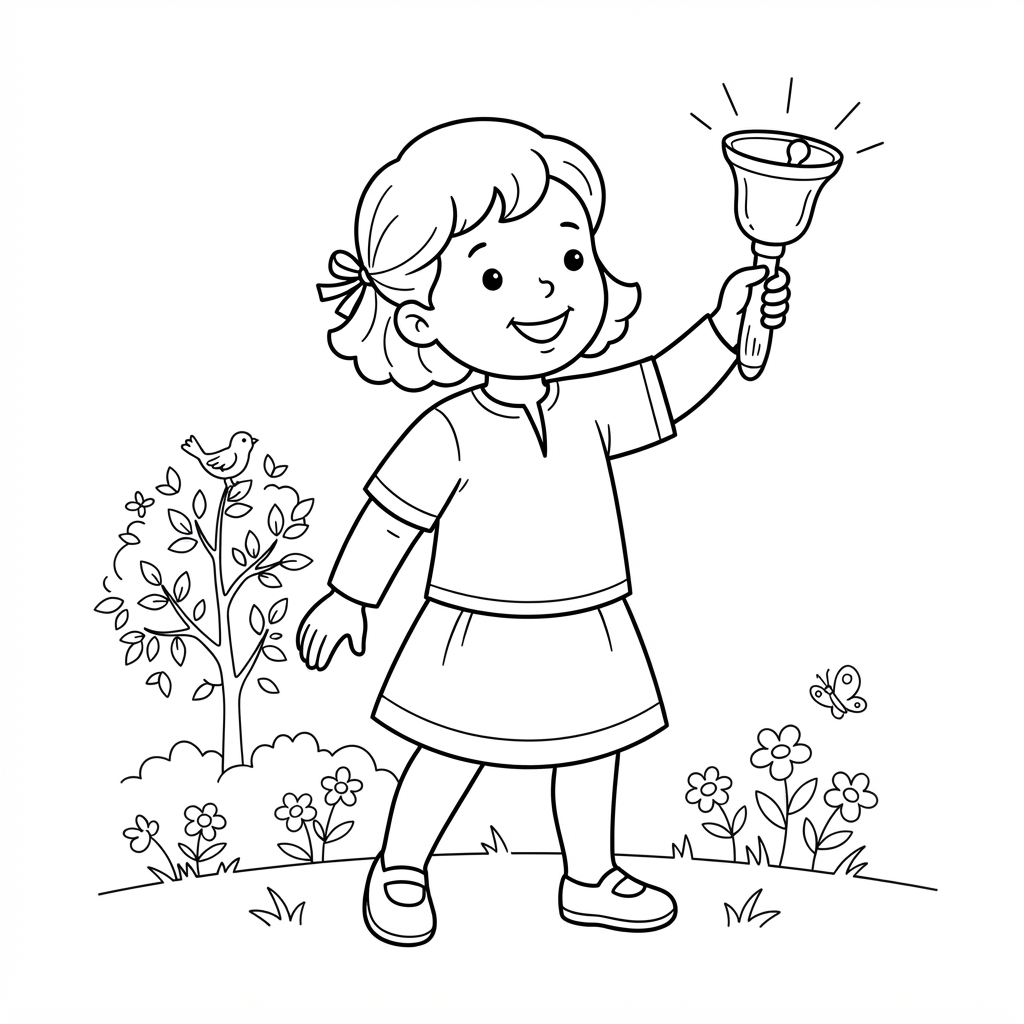
How can sensory materials enhance coloring pages?
Integrating sensory materials with coloring pages opens up a world of creativity and exploration for toddlers. Coloring is a fantastic way for children to express themselves, but adding sensory elements amplifies the experience. For instance, using a textured crayon or incorporating sand into your coloring medium can make the activity more engaging.
When children interact with various textures while they color, they develop fine motor skills and hand-eye coordination. The tactile experience of feeling different materials can also make the coloring process much more enjoyable. It’s not just about filling in the lines; it’s about exploring and experiencing the process!
Examples of sensory-enhanced coloring
- Textured crayons: Try using crayons that have a textured surface. They can create unique patterns and help toddlers understand the concept of different visual effects.
- Colored sand: Mix sand with glue on a coloring page to create a 3D effect. This brings a new dimension to their artwork!
- Watercolor paints: Instead of traditional coloring, use watercolors with a splash of salt for a sensory twist. The salt creates an interesting texture on the page.
What are some creative sensory material ideas?
There are countless sensory materials you can use with coloring pages to keep your toddler engaged. Here are some creative ideas that are easy to implement and can be a lot of fun:
- Foam stickers: Add foam stickers to coloring pages to create a mixed-media experience. Kids love the squishy feel of foam!
- Natural elements: Incorporate items like leaves, feathers, or flower petals. These can be glued onto coloring pages for a nature-themed craft.
- Glitter and sequins: Sprinkle some glitter or sequins to add sparkle and sensory appeal. Just ensure they are non-toxic and safe for little hands.
These materials not only enhance the visual aspect of coloring but also provide a tactile experience that can be soothing and stimulating at the same time.
How to incorporate sensory play with coloring pages?
Incorporating sensory play into coloring sessions is easier than you might think! Here are some practical ways to do so:
- Station setup: Create a sensory station where various materials are available alongside coloring pages. Let your toddler choose what they want to use.
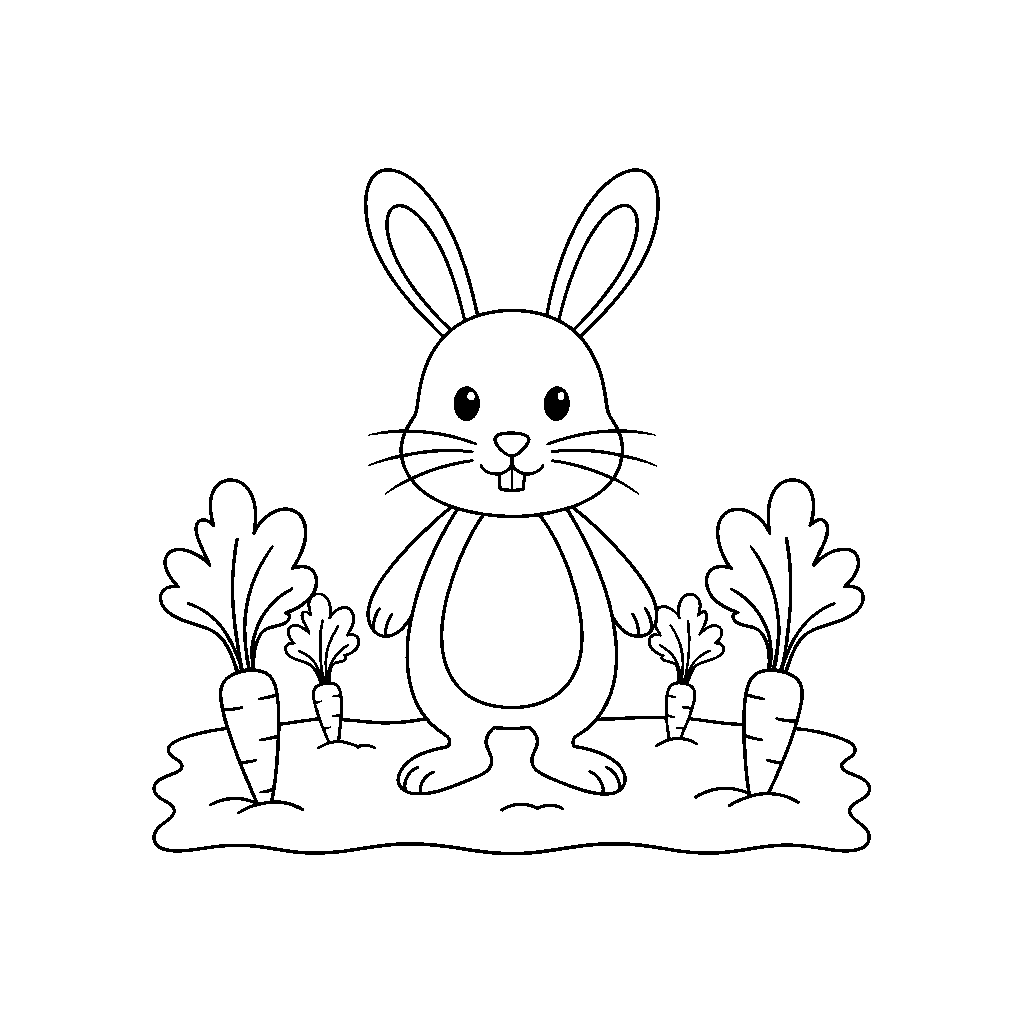
- Theme-based activities: Choose themes for coloring pages, such as animals or nature, and provide corresponding sensory materials like cotton balls for clouds or sand for a beach scene.
- Color mixing: Use primary colors of paint mixed with different sensory materials like sand or rice. This can help toddlers learn about color mixing while engaging their senses.
What are the benefits of using sensory materials with coloring pages?
There are numerous benefits to using sensory materials alongside coloring pages. Here are a few key advantages:
- Enhanced creativity: Sensory materials inspire children to think outside the box and express themselves in new ways.
- Improved fine motor skills: Manipulating different textures helps toddlers develop their hand-eye coordination and dexterity.
- Emotional expression: Engaging in sensory play allows toddlers to express their feelings and emotions, providing a therapeutic outlet.
These benefits contribute to a holistic approach to learning and development, making the coloring experience not just fun, but also educational.
How do sensory materials support learning and development?
Sensory materials play a significant role in supporting toddlers' learning and development. By engaging multiple senses, children are better able to process information and make connections. For instance, when a child uses sand to fill in a coloring page, they not only learn about textures but also develop an understanding of spatial awareness and coordination.
Moreover, sensory play encourages problem-solving skills. When faced with a new material, toddlers often experiment with it, leading to discoveries that enhance their cognitive abilities. This exploration fosters curiosity and a love for learning, which are essential for their overall development.
What safety precautions should I consider?
While using sensory materials can be fun and educational, it's essential to prioritize safety. Here are some precautions to take:
- Non-toxic materials: Always opt for non-toxic and child-safe materials to avoid any health risks.
- Supervision: Supervise your toddler during sensory play to prevent choking hazards or misuse of materials.
- Clean-up: Be prepared for messes! Use a drop cloth or newspaper to protect surfaces and make clean-up easier.
Frequently asked questions
How do sensory materials help with a child's development?
Sensory materials enhance a child's development by promoting fine motor skills, problem-solving abilities, and emotional expression. Engaging with different textures and materials stimulates curiosity and creativity, fostering a love for learning.
What types of coloring pages are best for sensory play?
Coloring pages that feature simple designs, large areas to color, and themes that can be easily enhanced with sensory materials are ideal. Pages like those featuring animals or nature allow for creative additions like natural elements or textured paints.
Can sensory materials be used with older children as well?
Absolutely! While toddlers benefit significantly from sensory play, older children can also enjoy and learn from these experiences. The complexity of the materials can be adjusted to suit their developmental stage.
What if my child has sensory sensitivities?
If your child has sensory sensitivities, it's crucial to choose materials that they are comfortable with. Start with gentler textures and allow them to explore at their own pace. Always be attentive to their reactions and provide alternatives if needed.
Where can I find more coloring pages for sensory activities?
You can find a variety of free coloring pages at KidColoro's free coloring pages. Whether you're looking for themes like Animals or Nature, you'll find something perfect for your sensory activities.
To wrap up, using sensory materials with coloring pages can transform a simple activity into a rich and engaging learning experience for toddlers. By exploring textures, colors, and techniques, children can develop essential skills while having fun. Explore KidColoro today for free coloring pages that will spark creativity in your little ones!