Digital vs printable coloring pages for multi-sensory learning
Explore the benefits of digital and printable coloring pages for children's learning.
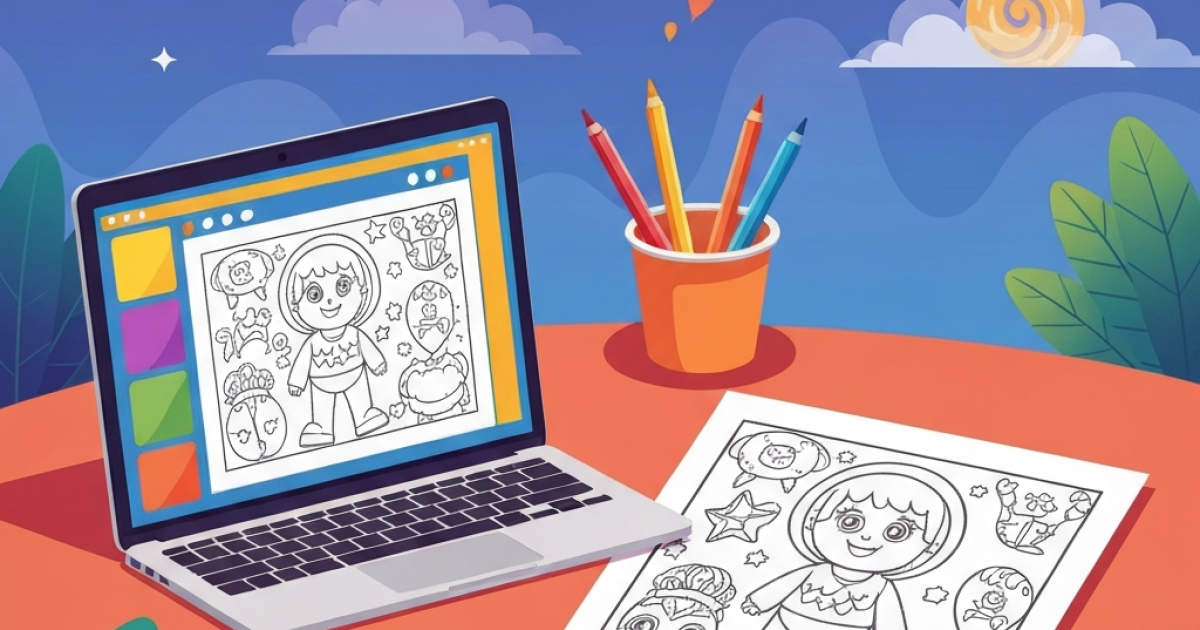
Table of contents
- What are Digital Coloring Pages?
- What are Printable Coloring Pages?
- How Do Coloring Pages Enhance Multi-Sensory Learning?
- What are the Benefits of Digital Coloring Pages?
- What are the Benefits of Printable Coloring Pages?
- Which Option is Best for Your Child?
- How to Incorporate Coloring into Daily Learning?
What are Digital Coloring Pages?
Digital vs printable coloring pages for multi-sensory learning is a topic many parents and educators are exploring today. Digital coloring pages are interactive and accessible via tablets and computers, allowing children to color using a variety of tools and effects. This modern approach offers engaging possibilities for young learners.
With digital coloring pages, children can experiment with colors, textures, and even animations, all from the comfort of their own devices. These pages often come with features that allow for instant feedback, making the coloring experience not only fun but also educational. Whether it's a coloring page of animals or a fantasy scene, the digital format offers a rich variety of themes to explore.
Discover Our Coloring Pages


What are Printable Coloring Pages?
Printable coloring pages, on the other hand, provide a tangible experience that can enhance a child's multi-sensory learning. These are traditional coloring pages that you can easily print out, allowing children to engage in a hands-on activity. The physical act of coloring with crayons, markers, or colored pencils can help improve fine motor skills and hand-eye coordination.
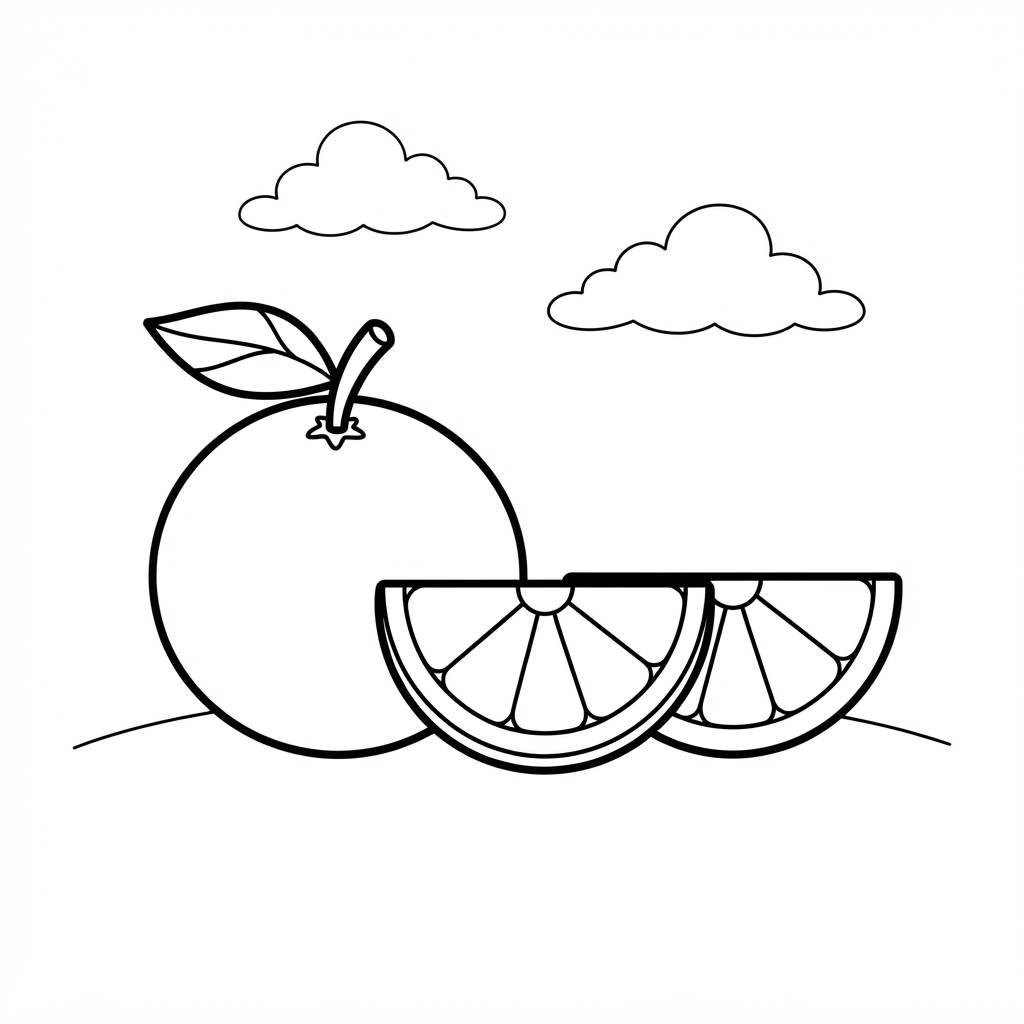
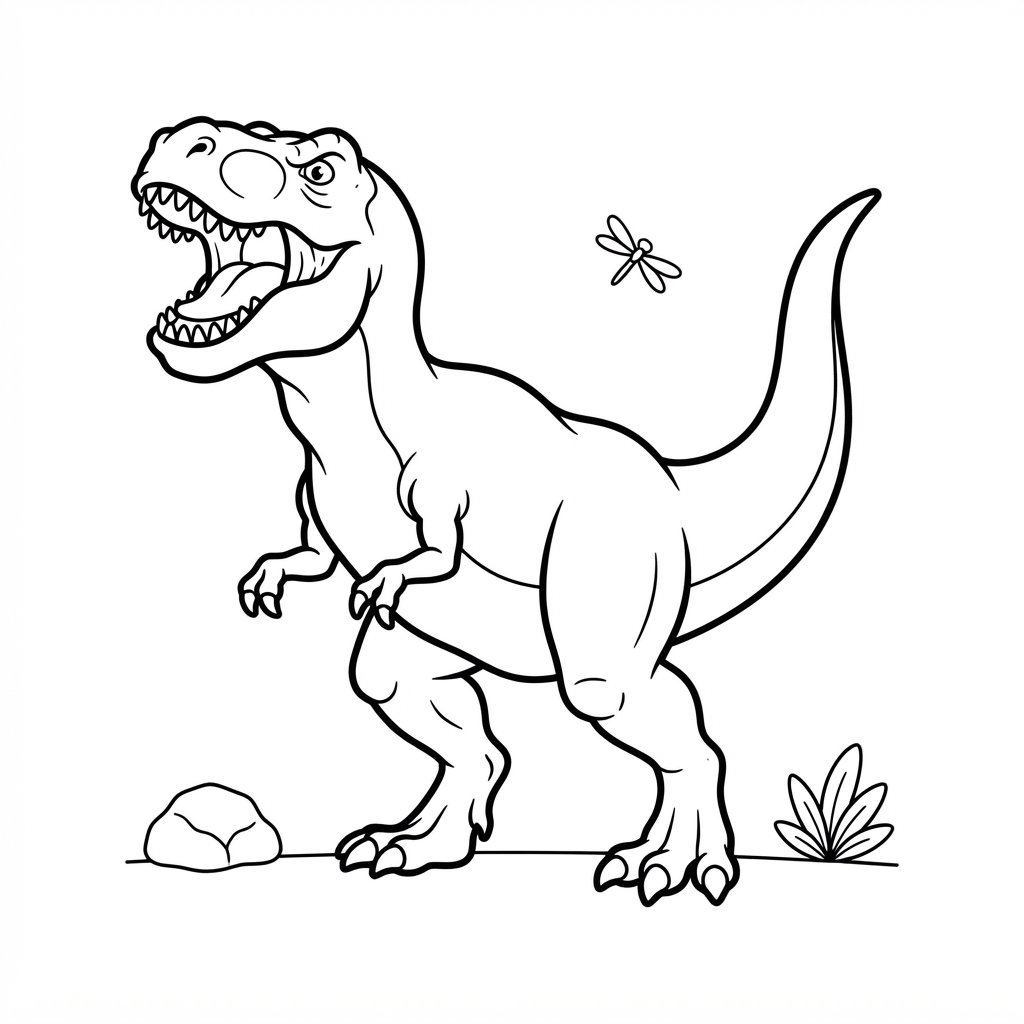
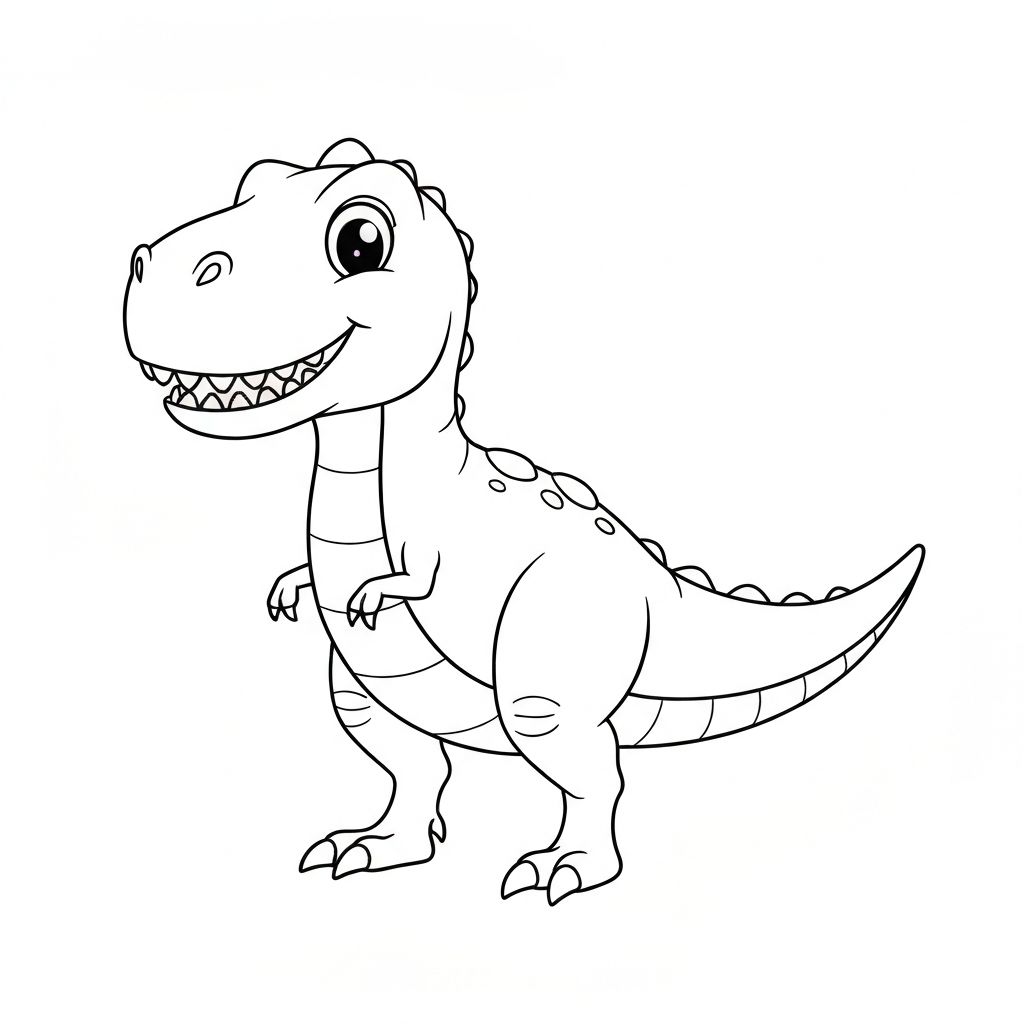
Printable coloring pages from KidColoro offer a wide range of themes, such as food, jobs & professions, and dinosaurs. Children can explore different subjects while enjoying the sensory experience of choosing colors and applying them to paper.
How Do Coloring Pages Enhance Multi-Sensory Learning?
Coloring pages, whether digital or printable, serve as excellent tools for multi-sensory learning. They engage visual, tactile, and even auditory senses, creating a holistic educational experience. For example, while coloring, children can discuss the colors they are using, the shapes they are filling in, and even tell stories about the characters they are coloring.
Engaging Multiple Senses
- Visual: Children learn to recognize colors and shapes as they color.
- Tactile: The physical act of coloring develops fine motor skills.
- Auditory: Discussing their coloring choices can enhance language skills.
By incorporating both digital and printable coloring pages, children can experience a diverse range of stimuli that contribute to their overall development.
What are the Benefits of Digital Coloring Pages?
Digital coloring pages provide several unique benefits that can enhance a child's learning experience. One of the key advantages is the vast array of tools available, such as virtual brushes and color palettes. Children can select from a wide variety of colors and effects, making the experience highly customizable.
Benefits of Digital Coloring
- Instant Feedback: Children can see their changes immediately, allowing for experimentation.
- Environmentally Friendly: Digital coloring eliminates waste from paper and supplies.
- Accessibility: Children can access a plethora of themes and designs easily online.
These features make digital coloring pages not only exciting but also educational, encouraging children to explore their creativity in innovative ways.
What are the Benefits of Printable Coloring Pages?
Printable coloring pages also offer numerous advantages that can significantly benefit children. One of the most notable benefits is the opportunity for children to engage in a screen-free activity. This can be especially important as parents increasingly monitor screen time.
Benefits of Printable Coloring
- Hands-On Learning: The physical interaction with paper and coloring tools fosters motor skill development.
- Creativity Unleashed: Children can mix colors and experiment without the limitations of digital tools.
- Focus and Concentration: Coloring on paper can help improve focus, as children are less likely to be distracted by notifications.
By utilizing printable coloring pages, parents can create a more focused and hands-on learning environment for their children.
Which Option is Best for Your Child?
Deciding between digital and printable coloring pages depends largely on your child's preferences and learning style. If your child enjoys technology and the engagement that comes with it, digital coloring pages may be the way to go. Conversely, if they thrive in tactile experiences, printable coloring pages would be more beneficial.
| Criteria | Digital Coloring Pages | Printable Coloring Pages |
|---|---|---|
| Interactivity | High | Low |
| Tactile Experience | Limited | High |
| Screen Time | Increases | None |
| Creativity | Varied Tools | Traditional Methods |
Incorporating both formats into your child's routine can provide a balanced approach to learning and creativity.
How to Incorporate Coloring into Daily Learning?
To effectively incorporate coloring into your child's daily learning, consider the following practical tips:
- Set a Routine: Designate specific times for coloring, integrating it into their homework or creative time.
- Thematic Coloring: Choose themes that align with what they are learning in school, such as a barista crafting artful coffee page for a lesson on jobs.
- Collaborative Coloring: Encourage family coloring sessions where everyone contributes to a large piece, fostering teamwork and communication.
By making coloring a regular part of your child's learning experience, you'll not only enhance their skills but also create lasting memories.
Frequently asked questions
Are digital coloring pages better than printable ones?
It depends on your child's learning style. Digital pages offer interactivity and a wide array of tools, while printable pages provide a tactile experience that can enhance fine motor skills.
How can I encourage my child to color more?
Make coloring a fun and integrated part of their daily routine. Use themes related to their interests and provide a variety of tools and materials to keep them engaged.
What age is appropriate for coloring activities?
Coloring activities can benefit children as young as two years old. As they grow, you can introduce more complex coloring pages to challenge their skills.
How do coloring pages help with fine motor skills?
The act of coloring engages the small muscles in the hands and fingers, improving coordination and control. This is essential for tasks like writing and self-care.
Can coloring pages be used for educational purposes?
Absolutely! Coloring pages can reinforce lessons in subjects like math, science, and art. Themed coloring sheets can enhance understanding and retention of various concepts.
Conclusion
Both digital and printable coloring pages offer unique advantages for multi-sensory learning. By incorporating a mix of both formats, you can create a rich and engaging learning environment for your child. Explore the extensive collection of free coloring pages available on KidColoro and ignite your child's creativity today!